

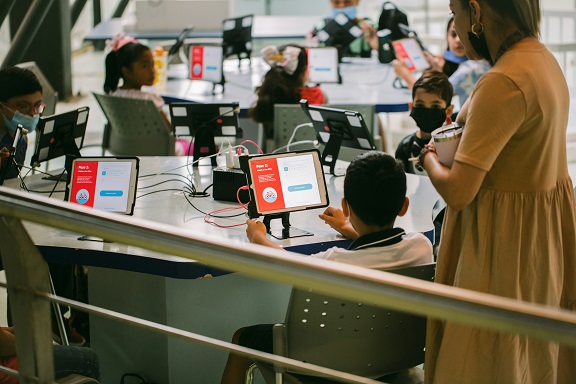
Introduction to Technological Advancements in Education
In recent decades, the landscape of education has undergone significant transformation due to the rapid advancement of technology. From the introduction of calculators and overhead projectors to the present-day usage of interactive whiteboards and virtual classrooms, technology has increasingly infiltrated educational settings. This evolution is not merely a change of tools, but a fundamental shift in the way students and educators engage with knowledge and learning processes. Historically, the incorporation of technology in education began modestly, with the use of film projectors and radio broadcasts in the early 20th century. As these tools evolved and expanded, they laid the groundwork for more sophisticated applications. The proliferation of personal computers in classrooms during the late 20th century marked a pivotal moment. Educators began to appreciate the potential for information technology to enhance learning experiences, making it more interactive and accessible.
Today, technology in education encompasses a wide array of tools and platforms, including online learning management systems, educational software, and mobile applications. The COVID-19 pandemic has acted as a catalyst for this ongoing revolution, prompting an accelerated shift towards remote learning and digital solutions. As schools and universities embraced online instruction, they also adopted innovative tools that facilitated real-time feedback, collaborative learning, and personalized educational paths.
The current phase of technological advancement in education is characterized by its ability to not only improve access to information but also to cater to diverse learning styles. Technologies such as artificial intelligence and virtual reality are on the horizon, potentially enabling more immersive learning experiences. Overall, the journey of technology in education reflects a commitment to enhancing the teaching and learning processes, ultimately preparing students for a rapidly changing world.
E-Learning and Online Courses: A New Era in Education
The landscape of education has been significantly altered by the advent of e-learning and online courses, marking a new era in educational access and accessibility. E-learning refers to the utilization of electronic media and digital technologies to facilitate learning, enabling students to engage with educational content remotely. The proliferation of online courses has particularly democratized education, allowing learners from diverse backgrounds to access high-quality resources that may have been previously unavailable.
One of the most notable advantages of e-learning platforms is flexibility. Online courses offer the ability to work at one’s own pace, allowing students to balance their studies with personal and professional commitments. This flexibility is especially beneficial for non-traditional students, such as working professionals, parents, or individuals with disabilities, who may require a more adaptable approach to education.
Accessibility is another key benefit of e-learning. Traditional educational institutions may impose geographical and financial barriers that limit opportunities for many learners. In contrast, online platforms break down these barriers by providing a wide range of educational resources at little to no cost. This accessibility fosters inclusivity and encourages lifelong learning, as individuals from varying socio-economic backgrounds can pursue educational advancements without the constraints of traditional classrooms.
Moreover, e-learning environments offer a broader range of resources compared to conventional education methods. Through online platforms, learners can access a variety of multimedia content, including videos, interactive simulations, and forums for discussion. These resources enhance the learning experience and allow students to engage with materials in different ways, catering to various learning styles.
In conclusion, the rise of e-learning and online courses has revolutionized the educational landscape, expanding access to knowledge and offering unparalleled flexibility and resources to learners worldwide.
Interactive Learning: The Role of Multimedia and Gamification
The integration of multimedia resources and gamification strategies in education has transformed traditional teaching methodologies, creating an interactive learning environment that caters to diverse learning styles. By utilizing different formats such as videos, podcasts, infographics, and interactive simulations, educators can create a more engaging atmosphere where students can absorb information in a manner that resonates with their individual preferences.
Multimedia learning tools not only enhance students’ understanding of complex concepts but also bring a sense of reality to abstract ideas. For example, visual learners often benefit from videos and graphics that illustrate difficult subjects, while auditory learners may find podcasts and audio materials more effective. Therefore, applying multimedia techniques allows educators to reach a wider audience and better support different learning styles within the classroom.
Moreover, gamification has emerged as another powerful method for increasing student engagement and motivation. By incorporating game-like elements such as points, badges, and leaderboards, students are encouraged to actively participate in their own learning process. This approach stimulates intrinsic motivation and fosters a sense of achievement as learners progress through various challenges and tasks.
In addition, gamified learning experiences often promote collaboration among peers, allowing students to work together to solve problems or achieve common goals. Such interactivity not only builds crucial teamwork skills but also helps establish a supportive learning community. The combination of multimedia resources and gamification thus enables educators to create a dynamic and inclusive educational experience.
The transformative impact of integrating multimedia and gamification within educational frameworks highlights the importance of adapting teaching methods to the needs of modern learners. By embracing these innovative approaches, educators can facilitate an environment where students are more engaged, motivated, and ultimately successful.
Artificial Intelligence in the Classroom
Artificial Intelligence (AI) is playing a transformative role in education, particularly in personalizing the educational experience for students. AI technologies enable educators to tailor instruction to meet the unique needs of each learner, thereby enhancing engagement and improving educational outcomes. One of the most notable applications of AI in education is through AI tutors. These intelligent systems provide one-on-one support to students, delivering customized feedback and resources based on individual learning paces and styles. This personalized assistance helps students grasp challenging concepts that traditional classroom environments may struggle to address sufficiently.
In addition to AI tutors, adaptive learning technologies are gaining traction in various educational settings. These systems analyze students’ interactions with educational content and adjust the material accordingly to better align with their learning trajectories. This ensures that learners receive targeted support and challenges, thus optimizing their educational journey. For example, platforms utilizing AI algorithms can identify specific areas where a student is excelling or struggling and modify the curriculum dynamically to enhance mastery.
Moreover, AI’s impact on classroom learning extends to supporting educators by providing data-driven insights into student performance. By aggregating and analyzing vast amounts of data, AI can reveal patterns in student behavior, identifying those who may need additional assistance or advanced materials. These insights empower teachers to make informed decisions about instructional strategies and resource allocation, ultimately leading to improved educational experiences for all students. Educators can spend less time on administrative tasks and more time on direct engagement with learners, thus fostering a more effective learning environment.
Virtual Reality and Augmented Reality: Immersive Learning Experiences
Recent advancements in technology have facilitated the widespread adoption of virtual reality (VR) and augmented reality (AR) in educational settings, transforming traditional teaching methods into immersive learning experiences. These technologies allow students to engage with the curriculum in innovative ways, enabling them to explore complex concepts and acquire skills that transcend the limitations of conventional learning environments.
Virtual reality provides students with the ability to step into a 3D environment, enabling them to visualize and interact with the subject matter in real-time. For instance, in science classes, learners can simulate chemical reactions in a safe, controlled atmosphere, explore the human body in detail, or even conduct space missions without leaving the classroom. This active participation fosters deeper understanding and retention of information as students are not merely passive recipients of knowledge.
On the other hand, augmented reality enhances the real-world surroundings with digital overlays, providing contextual information that enriches learning. For example, when students study historical events, they can use AR applications to view historical sites or artifacts superimposed on their real-world environment, bringing a new dimension to their studies. These experiences are particularly beneficial as they cater to different learning styles, accommodating visual and kinesthetic learners who may struggle with text-based instruction.
In addition to enriching subject matter engagement, VR and AR also promote collaboration among students, encouraging them to work together on projects and problem-solving tasks in virtual environments. This collaborative approach not only builds essential teamwork skills but also enhances the educational experience by allowing students to share diverse perspectives.
As educational institutions continue to integrate VR and AR technologies into their curricula, the potential for innovative and meaningful educational experiences expands tremendously. These transformative tools are paving the way for the future of education, where the possibilities for interactive and engaging learning are truly limitless.
The Importance of Digital Literacy in the Modern Curriculum
In today’s rapidly evolving job market, the significance of digital literacy cannot be overstated. Digital literacy encompasses a range of skills including the ability to locate, evaluate, and effectively use digital information. It is essential for students not only to thrive academically but also to succeed in their future careers, which increasingly demand proficiency in technology and digital platforms.
Educational institutions recognize this vital need and are actively integrating digital literacy into their curricula. Schools are progressively incorporating technology into everyday learning experiences, employing tools and platforms that enhance student engagement and broaden learning opportunities. This shift is not merely about using computers or software; it involves fostering a comprehensive understanding of how technology intersects with various facets of life and work.
To prepare students for the challenges of modern employment, educators are focusing on teaching students how to responsibly manage online content, understand cybersecurity threats, and cultivate critical thinking and adaptability in a tech-driven environment. These skills are indispensable; as industries become more digitized, employees who can navigate and leverage technology will stand out in the competitive job market.
Furthermore, digital literacy serves to bridge gaps in equity and accessibility, ensuring that all students, regardless of background, have the opportunity to develop essential competencies. Initiatives such as coding boot camps, digital citizenship programs, and hands-on workshops are being implemented to familiarize students with the skills they will encounter in the workforce.
Ultimately, as educational paradigms shift, it is incumbent upon educators to prioritize digital literacy within their teaching frameworks. Equipping students with these skills will not only enhance academic performance but also prepare them for an increasingly complex and interconnected professional landscape.
Enhanced Communication and Collaboration Tools
Technology has fundamentally changed the landscape of education by introducing enhanced communication and collaboration tools that facilitate more effective interaction among students, teachers, and parents. These advancements allow for seamless feedback mechanisms, which are crucial for improving trainee comprehension and promoting active learning.
One of the primary tools reshaping education is the learning management system (LMS). Platforms such as Google Classroom, Moodle, and Canvas provide a centralized hub where teachers can share resources, assign tasks, and monitor student progress. These systems foster a more structured learning environment and enable quicker feedback loops. Teachers can efficiently track assignments, allowing for timely interventions when students experience difficulties.
Moreover, video conferencing tools, like Zoom or Microsoft Teams, have become essential, especially in response to the growing demand for distance learning. They not only allow for real-time instruction but also enable collaborative group projects, allowing students to work collectively regardless of their physical location. This flexibility promotes inclusiveness and supports diverse learning styles, enhancing the overall educational experience.
In addition to formal learning environments, social media platforms have emerged as informal yet powerful collaboration tools. They facilitate community engagement, allowing parents and educators to connect, share resources, and coordinate support for their students. Technologies such as discussion forums and messaging apps further empower students to engage in dialogue with their peers, fostering a sense of community beyond the classroom.
As these tools continue to evolve, the educational landscape will likely witness improvements in communication dynamics, leading to enriched learning experiences. Ultimately, the integration of such technologies underscores the vital role of collaboration in modern education, enhancing engagement among all stakeholders involved.
Challenges and Considerations in Technology-Enhanced Education
The integration of technology into education has transformed the learning landscape, but it also presents a range of challenges and considerations that stakeholders must navigate. One prominent concern is the digital divide, which refers to the gap between those who have easy access to computers and the internet and those who do not. This disparity can disproportionately affect low-income families and rural communities, resulting in unequal educational opportunities. Addressing the digital divide requires targeted interventions, such as providing subsidized internet services and devices to underserved populations.
Another significant challenge is the threat of cyberattacks and data breaches, which have become increasingly prevalent in an era where educational institutions handle vast amounts of personal data. Ensuring the security of online learning platforms and protecting student information is paramount. Schools must adopt robust cybersecurity measures and invest in technology that prioritizes data protection. Regular training and awareness programs for both staff and students can play a pivotal role in fostering a culture of security.
Furthermore, integrating technology successfully into the classroom necessitates comprehensive teacher training. Educators must be adequately prepared to utilize technology effectively and adapt their teaching methods to incorporate these tools seamlessly. Ongoing professional development programs, coupled with a supportive infrastructure, can empower teachers to confidently embrace technology in their classrooms. Institutions should prioritize collaboration between educational technologists and teachers to create tailored training that fulfills the diverse needs of educators and students alike.
In addressing these challenges, it is essential for policymakers, educators, and technology developers to work together to create inclusive, safe, and well-supported technology-enhanced educational environments. By overcoming these obstacles, the full potential of technology in education can be realized, paving the way for innovative teaching and learning experiences.
The Future of Education: Predictions and Trends
The landscape of education is undergoing a significant transformation, driven primarily by rapid advancements in technology. As we look towards the future, several predictions and trends emerge that could reshape educational practices and paradigms.
One prominent trend is the increasing integration of artificial intelligence (AI) in the learning environment. AI offers personalized educational experiences by adapting to individual student learning styles, pacing, and preferences. This bespoke approach not only enhances engagement but also improves academic outcomes by allowing educators to target specific areas of need for each learner.
Moreover, the use of immersive technologies, such as virtual reality (VR) and augmented reality (AR), is anticipated to grow. These technologies provide dynamic learning experiences, enabling students to explore complex concepts in intuitive and exciting ways. For instance, students can take virtual field trips to historical sites or conduct science experiments in a safe, simulated environment, making learning both effective and appealing.
Another transformative trend is the shift towards a more collaborative and interconnected educational model. Online platforms are emerging that facilitate global collaboration among students, educators, and experts. This trend fosters a diverse learning environment where knowledge-sharing transcends geographical boundaries, empowering learners to gain broader perspectives on various subjects.
Additionally, data analytics in education is gaining prominence. Institutions can leverage big data to track student progress, identify trends, and make informed decisions about instructional strategies and resource allocation. This evidence-based approach offers a pathway to a more effective educational system, tailored to meet the needs of future generations.
In conclusion, the future of education is poised to embrace innovative technologies that hold the potential to enrich learning experiences. By integrating AI, immersive technologies, collaborative platforms, and data analytics, the educational landscape will evolve, yielding improved engagement and academic success for students worldwide.