

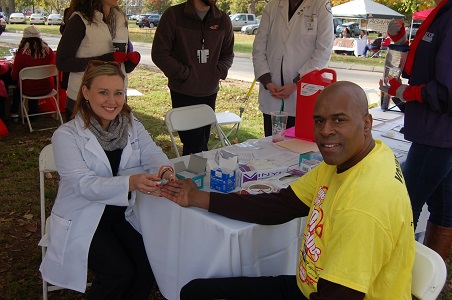
Introduction to Health Checkups
Health checkups, often referred to as routine physicals or preventive exams, are comprehensive examinations designed to assess an individual’s overall health status. These evaluations typically involve a series of diagnostic tests, screenings, and assessments to identify any potential health issues before they become serious problems. By integrating regular health checkups into one’s healthcare routine, individuals can take proactive steps toward maintaining and improving their well-being.
The primary purpose of health checkups is early detection. Many health conditions, such as high blood pressure, diabetes, and certain types of cancer, do not present noticeable symptoms in their initial stages. Therefore, regular health checkups serve as a crucial opportunity for healthcare professionals to identify these silent risks and recommend appropriate interventions. Furthermore, these checkups provide an occasion for individuals to review their lifestyle choices, discuss any health concerns with their doctor, and receive personalized advice tailored to their unique circumstances.
In addition to facilitating early detection, regular health checkups play a significant role in health monitoring and management. For those with existing health conditions, routine checkups allow for ongoing assessment of treatment efficacy and necessary adjustments to management plans. For healthy individuals, these exams foster a sense of accountability and motivate the pursuit of healthier lifestyle changes.
Making health checkups a regular practice not only promotes personal health but can also enhance community health outcomes. At a population level, widespread participation in health screenings contributes to the identification of public health issues and fosters preventive care initiatives. This collective approach to health underscores the importance of prioritizing regular checkups within one’s healthcare routine as an essential component of overall health and well-being.
Preventative Care and Early Detection
Regular health checkups play a pivotal role in preventative care, serving as an essential tool for identifying health issues before they escalate into more serious conditions. These routine evaluations empower individuals to take control of their health by facilitating timely intervention and management strategies. During regular checkups, healthcare providers perform various screenings and assessments that can uncover potential risk factors or developing diseases which may go unnoticed without systematic monitoring.
One of the most significant aspects of preventative care is the early detection of chronic diseases such as diabetes, hypertension, and heart disease. When these conditions are identified at an early stage, there is a greater opportunity for effective treatment, potentially leading to improved health outcomes. Early intervention often means that less aggressive treatments can be employed, enabling patients to maintain a better quality of life. Furthermore, proactive health measures, including lifestyle modifications and medication management, can significantly slow the progression of these diseases.
In addition to chronic illnesses, regular checkups can also lead to the identification of other critical health issues, such as certain types of cancer, which may exhibit no apparent symptoms in their initial stages. For instance, routine screenings such as mammograms or colonoscopies can detect abnormalities even before symptoms arise, thereby increasing the chances of successful treatment. Thus, the integration of regular health evaluations into one’s routine represents a strategic approach to health management, as they enable individuals and their healthcare providers to collaborate closely in safeguarding their well-being.
Monitoring Chronic Conditions
Regular health checkups play a crucial role in the effective management of chronic conditions such as diabetes, hypertension, and heart disease. For individuals living with these ailments, consistent monitoring can significantly enhance their quality of life and contribute to a longer lifespan. By attending scheduled appointments with healthcare providers, patients can ensure that their conditions are kept in check and any necessary adjustments to treatment plans are made.
One of the most important aspects of managing chronic conditions is tracking key health indicators. For instance, individuals with diabetes need to regularly monitor their blood glucose levels, while those with hypertension should keep an eye on their blood pressure readings. During routine checkups, healthcare providers can assess these metrics, make informed decisions, and intervene promptly if there are signs of deterioration. This proactive approach not only aids in effective management but also helps in preventing potential complications that may arise from uncontrolled conditions.
Additionally, regular health evaluations provide an opportunity for patients to discuss any new symptoms or concerns with their healthcare providers. This open line of communication is vital because it allows for timely identification of problems that may require immediate attention. Furthermore, professionals can offer guidance on lifestyle modifications, including dietary changes and exercise regimens, which can be instrumental in managing chronic conditions.
Overall, continual monitoring of chronic conditions through regular checkups empowers individuals with the knowledge and tools needed to manage their health effectively. By committing to a routine of health evaluations, patients not only improve their understanding of their conditions but also promote better health outcomes, ultimately enabling a more fulfilled life despite the challenges posed by chronic illnesses.
Personalized Health Insights
Regular health checkups play a significant role in providing personalized health insights that are crucial for individuals striving to maintain or improve their overall well-being. These checkups facilitate the measurement of various health metrics, including blood pressure, cholesterol levels, and body mass index (BMI). Each of these metrics offers valuable information that can be tailored to an individual’s specific health needs.
For instance, blood pressure readings allow healthcare professionals to assess the cardiovascular health of an individual. Persistent high blood pressure, also known as hypertension, can indicate underlying health issues and necessitate specific lifestyle adjustments or medical interventions. By evaluating this crucial biomarker during routine checkups, doctors can provide personalized recommendations aimed at mitigating risks associated with heart disease, stroke, and other related conditions.
Cholesterol levels further enhance the understanding of individual health profiles. Low-density lipoprotein (LDL), often referred to as ‘bad’ cholesterol, can contribute to plaque buildup in arteries, while high-density lipoprotein (HDL), or ‘good’ cholesterol, aids in removing LDL from the bloodstream. Health checkups typically include lipid panels, enabling physicians to offer personalized dietary and lifestyle guidance based on an individual’s unique cholesterol profile, ultimately promoting better heart health.
Body mass index is another crucial metric considered during health evaluations. It serves as a fundamental indicator of body fat based on height and weight. By assessing BMI and its implications—whether underweight, normal, overweight, or obese—medical professionals can tailor recommendations for weight management, nutritional requirements, and appropriate physical activity.
In essence, the integration of these metrics during health checkups ensures that individuals receive tailored health insights, fostering a proactive approach to personal health management. Such personalized recommendations are vital for enhancing preventive measures and improving overall health outcomes.
Establishing a Rapport with Healthcare Providers
Building a strong rapport with healthcare providers is an essential aspect of maintaining one’s health and ensuring positive healthcare outcomes. Regular health checkups serve as an excellent opportunity to foster this relationship. When patients consistently visit their healthcare providers, they become more than just a number in the system; they transform into valued individuals whose unique health stories and concerns are understood over time.
Effective communication is at the heart of any robust relationship, and this is particularly true in healthcare settings. Through regular appointments, patients can express their health concerns, ask questions, and receive tailored guidance based on their medical history. This ongoing dialogue enhances the provider’s ability to deliver personalized care and allows for more accurate diagnoses and tailored treatment plans, ultimately contributing to better health management.
Moreover, a strong relationship with healthcare providers leads to increased trust. Patients who know their providers on a more personal level may feel more comfortable discussing sensitive health issues, which could otherwise remain unvoiced. This trust can significantly impact the patient’s willingness to adhere to medical advice, follow prescribed treatments, and maintain open lines of communication about their health, further improving satisfaction with care.
In addition, regular health checkups foster a sense of continuity in care. As patients develop relationships with their providers, they are more likely to return for follow-up visits and preventive care, ultimately leading to a proactive approach to health management. A committed healthcare provider will monitor the patient’s health trends over time, thus providing valuable insights that may prompt timely interventions before health issues escalate.
Establishing a rapport with healthcare providers through consistent appointments not only strengthens communication and trust but also enhances the overall quality of care received. In this manner, patients are better equipped to navigate their health journeys, benefiting from a supportive healthcare partnership that prioritizes their well-being.
Mental Health Assessments
Regular health checkups are essential for maintaining overall well-being, encompassing not only physical health but also mental health assessments. It is increasingly recognized that mental health is just as significant as physical health, and integrating mental health evaluations into routine checkups facilitates a more holistic approach to an individual’s health. Mental health assessments can help identify potential issues early on, allowing for timely intervention and support.
One of the major benefits of addressing mental health during regular health checkups is the reduction of stigma associated with mental health conditions. By normalizing these assessments, individuals may feel more comfortable expressing any concerns or symptoms they might be experiencing. This openness can lead to earlier diagnosis and more effective treatment options, ultimately enhancing the quality of life for patients.
Additionally, mental health often impacts physical health, and vice versa. Stress, anxiety, and depression can contribute to a variety of physical ailments such as hypertension or heart disease. Consequently, mental health assessments during regular checkups facilitate a comprehensive understanding of an individual’s well-being. Healthcare providers can recommend strategies that comprise both physical and mental health care, promoting improved health outcomes.
Furthermore, incorporating mental health evaluations into regular checkups allows for better collaboration among healthcare professionals. General practitioners can refer patients to mental health specialists as needed, ensuring that both the mind and body receive appropriate attention and care. This collaborative approach fosters a supportive environment where individuals can thrive holistically.
In conclusion, mental health assessments should be an integral component of regular health checkups. By addressing mental health alongside physical health, individuals can achieve a more balanced and complete perception of their well-being, paving the way for healthier living.
Time and Cost Efficiency
Regular health checkups play a pivotal role in fostering both time efficiency and cost-effectiveness in healthcare management. By adhering to a proactive approach to health, individuals can detect potential health issues at their nascent stages, thereby circumventing the need for costly emergency interventions. It is often observed that minor health concerns, when left unmonitored, can escalate into major complications that not only necessitate expensive treatments but also lead to extensive hospital stays.
Investing time in regular health assessments is akin to safeguarding one’s health while minimizing future healthcare expenses. The benefits of preventive care are manifold; these checkups can reveal underlying conditions such as hypertension, diabetes, and cholesterol imbalances long before they become life-threatening or require invasive treatments. When these conditions are managed early, the financial burden associated with advanced medical care significantly decreases.
In addition to direct treatment costs, avoidable hospitalizations and emergency care contribute greatly to overall healthcare spending. The duration of a hospital stay can be financially burdensome not only due to daily charges but also through associated expenses such as medications and follow-up visits. Regular health checkups can substantially reduce the occurrences of such emergency situations, fostering a financially prudent approach to health management.
Moreover, many health insurance plans incentivize regular checkups by providing fully covered or discounted preventive services. Individuals are therefore encouraged to take advantage of these benefits, effectively taking control of their health and finances. By prioritizing regular health checkups, an individual not only enhances their well-being but also comes to appreciate the importance of sustaining a budget-friendly healthcare strategy.
Setting Health Goals and Accountability
Regular health checkups are instrumental in guiding individuals in setting realistic health goals, ultimately contributing to improved well-being. During these checkups, healthcare professionals can assess various health metrics such as blood pressure, cholesterol levels, and body mass index (BMI). By establishing a comprehensive understanding of one’s current health status, individuals can create specific, measurable, achievable, relevant, and time-bound (SMART) goals. For instance, if a health checkup reveals elevated cholesterol levels, a person may set a health goal to reduce cholesterol through diet and exercise within a specified timeframe.
Accountability is a vital component in successfully achieving these health goals. Regular health checkups foster this accountability by providing individuals with routine opportunities to evaluate their progress. Following up on health metrics allows patients to see how their lifestyle changes are positively impacting their health and to make necessary adjustments in their plans. These follow-up appointments serve as checkpoints in the health journey, reinforcing commitment to the established goals.
Moreover, healthcare providers often play a crucial role in this process by offering support and guidance during these follow-up appointments. They can help individuals understand the importance of adhering to their health plans and provide additional resources or referrals when needed. This collaboration fosters a sense of commitment toward achieving personal health targets.
A proactive approach to health through regular checkups establishes a cycle of goal-setting and accountability that emphasizes the importance of maintaining good health. The opportunity to monitor progress and make informed decisions elevates the overall effectiveness of individual health efforts.
Conclusion and Call to Action
Regular health checkups are crucial for maintaining overall well-being and early detection of potential health issues. Throughout this discussion, we have highlighted key benefits such as the ability to monitor vital health indicators, preventative care, and fostering a relationship with healthcare providers. These assessments are instrumental in identifying risk factors, allowing individuals to make informed lifestyle adjustments and seek timely intervention when necessary.
Furthermore, health checkups serve as a foundation for personalized health strategies, enabling individuals to stay proactive in their health journey. Routine exams are essential not only for chronic disease management but also for promoting healthy practices that enhance quality of life.
To prioritize your health, consider scheduling your next checkup. Start by reaching out to your healthcare provider to find a convenient time that fits your schedule. Make sure to prepare for your appointment by keeping a list of any symptoms, medications, and questions you may have. This preparation can facilitate a comprehensive discussion and ensure that all your concerns are addressed.
Additionally, take advantage of online resources and patient portals offered by many healthcare facilities to access your health records, schedule appointments, and receive reminders. Embrace the opportunity for regular assessments to take control of your health and well-being. Remember, prioritizing regular health checkups can be a lifesaving decision that encourages you to live a healthier and more fulfilling life.