

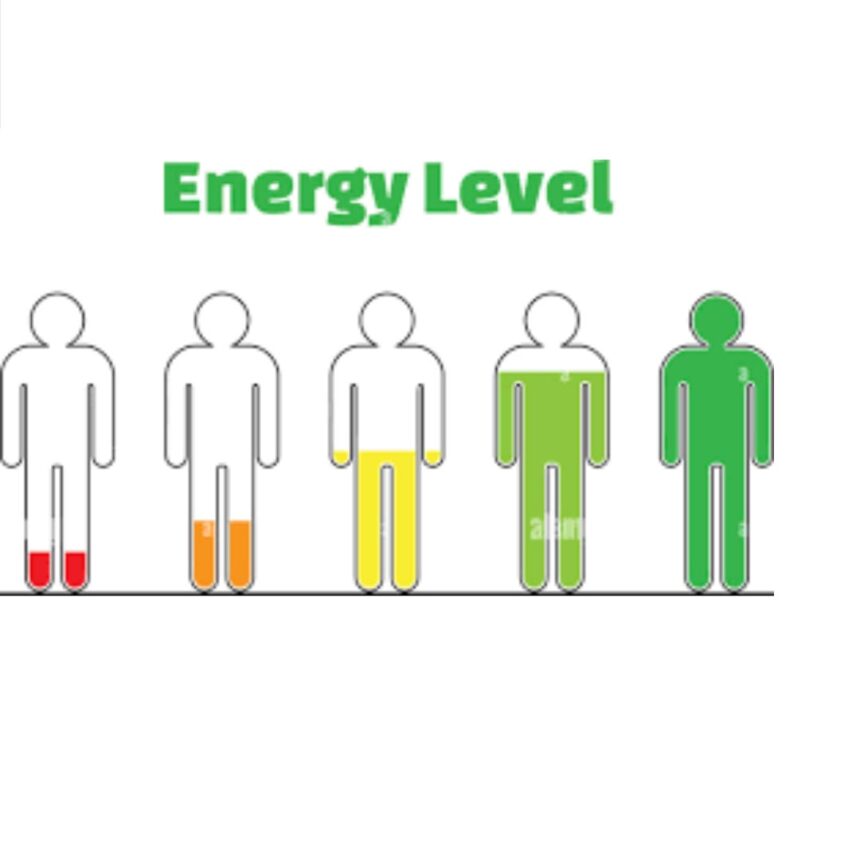
Understanding Energy Levels
Energy levels refer to the overall vitality and stamina of an individual, encompassing both physical and mental states. They are crucial for effective functioning in daily activities, from undertaking physical tasks to engaging in cognitive challenges. Different factors can influence energy levels, including sleep quality, nutrition, stress, and physical activity. Understanding these factors can be imperative for maintaining optimal well-being.
Firstly, adequate sleep is fundamental to energy levels. Sleep is restorative, allowing the body and mind to recover from daily exertions. Lack of sufficient sleep can lead to fatigue, reduced cognitive function, and a general decrease in vitality. It is important to establish a sleep routine that promotes a restful and uninterrupted night to enhance energy levels.
Nutrition also plays a pivotal role in determining our energy levels. The food we consume fuels our bodies and affects our physical and mental performance. A balanced diet rich in whole grains, fruits, vegetables, proteins, and healthy fats can provide sustained energy throughout the day. On the contrary, diets high in processed sugars and unhealthy fats can lead to energy crashes and poor concentration.
Another key factor that affects energy is stress. Chronic stress often depletes energy levels, leading to exhaustion and diminished overall health. Managing stress through relaxation techniques, mindfulness, and regular physical activity can help restore energy levels, enhancing one’s ability to cope with daily demands.
Physical activity is also vital for maintaining high energy levels. Engaging in regular exercise boosts circulation, improves oxygen supply to cells, and releases endorphins, leading to increased energy and improved mood. Even moderate levels of daily activity can significantly enhance energy levels.
Awareness of these interrelated factors is essential for individuals seeking to optimize their energy levels for improved physical and mental well-being. By prioritizing sleep, nutrition, stress management, and exercise, one can foster a sustainable energy balance that supports daily functioning.
The Role of Nutrition in Energy Levels
Nutrition plays a pivotal role in determining one’s energy levels throughout the day. A well-balanced diet ensures that the body receives the essential nutrients needed to generate and maintain energy. Numerous food groups contribute to energy production; collectively, they can enhance vitality and overall well-being.
Carbohydrates are often recognized as the primary source of energy for the body. They are broken down into glucose, which fuels our muscles and brain. Consuming complex carbohydrates, such as whole grains, legumes, and starchy vegetables, can provide a steady release of energy. These foods generally have a lower glycemic index, which means they are digested more slowly, helping to maintain consistent energy levels.
Meanwhile, proteins also contribute to energy, particularly through the synthesis of hormones and enzymes essential for metabolic processes. Including lean proteins, like chicken, fish, and plant-based options such as beans and lentils, can be beneficial. Additionally, healthy fats, including avocados, nuts, and olive oil, play a critical role in long-term energy provision and are vital for sustaining energy during prolonged activities.
Specific energy-boosting foods warrant attention as well. Foods rich in antioxidants, such as berries and leafy greens, can help combat oxidative stress and fatigue. Additionally, staying hydrated is essential; even mild dehydration can lead to decreased energy levels.
Furthermore, understanding energy density can assist in making more informed dietary choices. Foods with lower energy density, such as fruits and vegetables, provide bulk without excessive calories, promoting satiety while supporting energy maintenance.
In summary, achieving higher energy levels through nutrition involves collaborating various food groups into a balanced diet. By incorporating appropriate carbohydrates, proteins, fats, and energy-boosting foods, one can effectively enhance energy levels and promote overall health.
Hydration and Its Impact on Energy
Hydration is a fundamental aspect of maintaining optimal energy levels in the body. Water constitutes a significant portion of the human body, and even mild dehydration can adversely affect physical and mental performance. When the body lacks sufficient fluids, one may experience symptoms such as fatigue, decreased concentration, and overall lethargy. Research indicates that even a drop of 2% in body water can impact mood and energy, highlighting the necessity of proper hydration.
The body’s organs require an adequate supply of water to function efficiently. For instance, the brain relies on hydration for cognitive function and energy output; dehydration can lead to difficulties in focusing, increase feelings of fatigue, and exacerbate stress. Similarly, muscles that are not adequately hydrated are at greater risk of fatigue and cramping, thereby reducing endurance during physical activities.
To ensure optimal hydration levels, individuals should aim to consume an adequate amount of fluids throughout the day. An effective strategy is to incorporate a variety of hydrating beverages, including water, herbal teas, and infused waters, which can make hydration more appealing. Additionally, many fruits and vegetables, such as cucumbers, oranges, and strawberries, not only provide essential vitamins and minerals but also contribute significantly to daily fluid intake.
Monitoring one’s hydration can involve simple practices, such as carrying a reusable water bottle and setting reminders to drink water regularly. It is also advisable to consume fluids before, during, and after physical activities to replenish lost moisture and maintain energy levels. By prioritizing hydration, individuals can boost their overall energy and well-being, enabling them to perform daily tasks with greater vigor.
Physical Activity: The Energy Enhancer
Regular physical activity is widely recognized as a significant factor in boosting energy levels and enhancing overall well-being. Engaging in exercise stimulates various physiological processes within the body that ultimately contribute to increased energy production. When we participate in physical activities, our cardiovascular health improves, which ensures that oxygen and nutrients are effectively delivered to the muscles and other vital organs. This improved circulation not only enhances endurance but also promotes stamina, enabling individuals to engage in daily tasks with greater ease.
There are numerous forms of exercise that can effectively enhance energy levels. Aerobic exercises, such as running, cycling, and swimming, are particularly beneficial for improving cardiovascular health. These activities increase heart rate, leading to improved blood flow and enhanced oxygen delivery throughout the body. As a result, aerobic activities can significantly reduce fatigue and increase overall energy.
Strength training also plays a critical role in energy enhancement. By building muscle mass, individuals can improve their metabolic rate, which means the body burns calories more efficiently. This can lead to better energy levels during both physical exertion and rest. Additionally, engaging in resistance exercises can lead to an increase in strength and endurance, which positively impacts everyday activities and decreases feelings of tiredness.
Flexibility exercises, such as yoga and stretching, offer energy-boosting benefits as well. These activities promote relaxation, reduce muscle tension, and improve the range of motion, helping individuals feel more revitalized. Furthermore, incorporating mindfulness practices found in yoga can also enhance mental clarity, further supporting energy levels.
In conclusion, incorporating regular physical activity into one’s routine—whether through aerobic, strength training, or flexibility exercises—can markedly improve energy levels. The positive effects of exercise on both physical and mental health contribute to an overall sense of vitality and well-being.
Sleep Quality and Energy Restoration
Sleep is a fundamental component of overall well-being, playing a crucial role in energy restoration. The human body undergoes several sleep cycles throughout the night, including both REM (Rapid Eye Movement) and non-REM sleep. Each cycle contributes to physical and mental recovery, allowing the brain to consolidate memories and the body to repair itself. Poor sleep quality or sleep deprivation can significantly impact energy levels, leading to fatigue, decreased concentration, and a variety of health issues.
One of the most significant consequences of inadequate sleep is the disruption of these cycles, which can hinder the body’s ability to restore energy adequately. Sleep deprivation can lead to an array of symptoms, including irritability, mood swings, and impaired cognitive function, all of which can detract from daily productivity and overall vitality. Research indicates that adults require between seven to nine hours of quality sleep each night to maintain optimal energy levels and health.
To improve sleep quality, establishing a consistent bedtime routine is paramount. This routine can signal to the body when it is time to wind down, making it easier to transition into sleep. Activities such as reading, meditating, or practicing gentle yoga can promote relaxation and prepare the mind and body for restful sleep. Additionally, creating a conducive sleeping environment plays an essential role in promoting sleep. This can be achieved by ensuring a comfortable mattress, maintaining a cool room temperature, and minimizing noise and light disturbances.
Adequate sleep not only restores energy but also enhances mood and cognitive function. By prioritizing sleep and adopting strategies for improvement, individuals can experience a significant boost in their overall energy levels, enabling them to tackle daily challenges with vigor.
Stress Management Techniques for Higher Energy
Stress is a significant contributor to fatigue and can severely diminish energy levels. When the body experiences stress, it activates the fight-or-flight response, leading to an increased release of hormones like cortisol and adrenaline. While these hormones can be beneficial in short bursts, prolonged exposure often results in mental and physical exhaustion. Therefore, effective stress management is crucial for restoring energy and enhancing overall well-being.
One practical approach to stress management is mindfulness. Mindfulness involves paying attention to the present moment without judgment. This practice can help alleviate feelings of overwhelm and promote relaxation. By dedicating just five to ten minutes a day to mindfulness exercises, such as focusing on one’s breath or observing thoughts and feelings, individuals can foster a sense of calm that positively impacts their energy levels.
Meditation is another powerful tool for managing stress, allowing for deeper relaxation and mental clarity. Techniques such as guided meditation, transcendental meditation, or even short sessions focusing on breathing can significantly reduce stress levels. Regular practice can result in noticeable improvements in both mood and energy, creating a more balanced emotional state.
Deep-breathing exercises offer a quick and effective way to combat stress throughout the day. Simple practices like inhaling deeply through the nose and exhaling slowly through the mouth can be performed anywhere, helping to lower heart rate and reduce feelings of anxiety. Allocating a few minutes for deep breathing, especially during busy periods, can rejuvenate energy and enhance focus.
Lastly, yoga combines physical movement with breath control and mindfulness, offering extensive benefits for stress relief. Engaging in yoga sessions, whether at home or in a class, can provide both a mental and physical outlet for stress, leading to enhanced energy levels. Integrating these practices into daily routines, even in small doses, allows individuals to manage stress effectively and improve their overall energy.
The Importance of Sunlight and Fresh Air
Exposure to sunlight and fresh air plays a critical role in boosting energy levels and enhancing overall well-being. Natural sunlight is a significant source of Vitamin D, which is essential for various bodily functions. This vitamin not only contributes to the health of bones and muscles but also supports the immune system and promotes mental health. Insufficient sunlight exposure can lead to lower Vitamin D levels, resulting in fatigue and decreased energy.
Moreover, natural light has a profound influence on our circadian rhythms, which are the body’s internal clock regulating sleep-wake cycles. Proper regulation of these rhythms is essential for ensuring high energy levels throughout the day. When exposed to natural light, particularly in the morning, our bodies can synchronize to a more balanced sleep schedule. This synchronization helps improve alertness and cognitive function during waking hours. Conversely, inadequate exposure to daylight can disrupt these cycles, leading to sleep disturbances and diminished energy.
Spending time outdoors is another effective way to revitalize energy levels. Activities such as walking, jogging, or simply sitting in a park can provide refreshing fresh air and sunlight. To incorporate outdoor activities into daily routines, consider taking breaks outside during work hours or scheduling regular weekend excursions. Even short bursts of activity, such as a ten-minute walk in natural settings, can make a notable difference in energy levels and general mood.
In conclusion, integrating sunlight and fresh air into daily life is vital for energy enhancement. By connecting with the outdoors and ensuring sufficient exposure to natural light, individuals can significantly improve their energy levels, ultimately contributing to a healthier and more vibrant lifestyle.
Adaptogens and Herbal Remedies
Adaptogens are a class of natural supplements that are believed to help the body adapt to stress and exert a normalizing effect upon bodily processes. Among the most popular adaptogens are ashwagandha, rhodiola, and ginseng, each offering unique benefits for improving energy levels and overall well-being.
Ashwagandha, a revered herb in traditional Ayurvedic medicine, is known for its ability to reduce cortisol levels and improve resistance to stress. Studies suggest that ashwagandha can enhance energy levels, promote better sleep, and improve cognitive function. Users can easily incorporate ashwagandha into their regimen through capsules, powders, or liquid extracts, typically taken at a dosage of 300 to 500 mg once or twice daily.
Rhodiola rosea, another well-known adaptogen, is often used to combat fatigue and enhance physical performance. This herb has been associated with improved endurance and mental performance, particularly during stressful situations. For effective results, a standard dosage ranges from 200 to 600 mg per day, usually taken in the morning or before exercise. Users should be mindful of individual responses, as some may experience stimulatory effects if taken late in the day.
Ginseng, notably Panax ginseng, is celebrated for its energizing properties. It is thought to support physical and mental performance, particularly in cases of fatigue. Clinical research indicates that ginseng may help enhance energy levels and overall vitality. The recommended dosage generally lies between 200 and 400 mg daily, taken in capsules or as a tea. Users should always consult with healthcare professionals before starting any new supplement, especially if they are pregnant, nursing, or have pre-existing health conditions.
While adaptogens are natural and relatively safe for most individuals, it’s essential to approach them with informed caution. Individual responses can vary, and the efficacy may depend on factors like dosage, quality of the herbal product, and duration of use. By incorporating adaptogens into a balanced lifestyle, individuals may find a holistic way to improve their energy levels effectively.
Creating Your Personalized Energy Enhancement Plan
Crafting a personalized energy enhancement plan requires an understanding of your current lifestyle, habits, and the energy-boosting strategies that resonate with you the most. To begin, it is essential to reflect on your daily routines and identify areas that impact your energy levels. Keeping a journal for a week can be beneficial, allowing you to document your energy patterns, meal choices, hydration habits, and sleep quality. This self-assessment acts as a foundation for formulating your plan.
Once you have clarity on your current habits, consider the various energy improvement techniques discussed previously, such as proper nutrition, regular physical activity, and stress management practices. Select a few methods that align with your preferences and schedule. For instance, you might choose to incorporate a 20-minute walk into your afternoon to combat post-lunch drowsiness or experiment with hydration strategies to improve overall energy.
Next, set realistic and measurable goals. Instead of overwhelming yourself with drastic changes, aim for incremental adjustments. For example, if you currently consume minimal fruits and vegetables, start by including one serving in your daily meals. Likewise, consider establishing a consistent sleep routine to enhance restfulness and recovery, thereby boosting your daily energy levels.
Consistency is key in your energy enhancement journey. Regularly review your plan and monitor your energy levels to assess which strategies are most effective. Make adjustments as necessary to ensure sustainability. Keeping track of your progress will not only provide motivation but also help you understand the correlation between your efforts and energy levels.
Ultimately, creating a personalized energy enhancement plan is an ongoing process that encourages commitment to your health and well-being. By thoughtfully reflecting on your habits and implementing gradual changes, you can achieve sustained improvements in your energy levels.