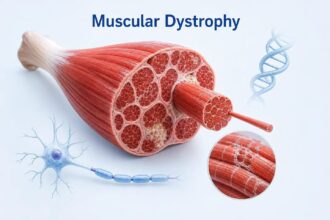


Introduction to Chronic Diseases
Chronic disease prevention are long-term medical conditions that generally cannot be cured, but can be managed through various interventions. They encompass a broad spectrum of illnesses that often develop slowly and persist over time, significantly impacting individual health and public health systems. According to the World Health Organization (WHO), chronic diseases, including diabetes, heart disease, and obesity, account for a substantial proportion of morbidity and mortality globally. The prevalence of chronic diseases has been rising globally, attributed in part to an aging population, urbanization, and lifestyle factors such as poor diet and lack of physical activity. For instance, cardiovascular diseases are among the leading causes of death worldwide, with millions of individuals affected annually. Similarly, diabetes has reached epidemic levels, affecting millions and leading to severe complications if left unmanaged.
Obesity represents another critical component of the chronic disease landscape, with its own set of risk factors including sedentary lifestyle, nutritional choices, and genetics. The increase in obesity rates contributes to the rising instances of related chronic conditions such as hypertension, stroke, and certain types of cancer.
The economic and social burden associated with chronic diseases is immense. Healthcare systems are often strained under the weight of managing these conditions, leading to increased healthcare costs and loss of productivity. Furthermore, the impact on patients includes diminished quality of life, increased mortality rates, and psychological effects such as anxiety and depression. As chronic diseases continue to rise, addressing their prevention and management has never been more crucial for public health.
Understanding the Importance of Exercise
Exercise plays a crucial role in promoting overall health and preventing chronic diseases. Regular physical activity has been scientifically linked to numerous physiological and psychological benefits, making it an essential component of a healthy lifestyle. Engaging in consistent exercise strengthens the cardiovascular system, enhancing heart health and circulation. This improvement subsequently lowers the risk of developing heart disease, hypertension, and related conditions.
Moreover, physical activity has a profound impact on the immune system. When individuals partake in regular exercise, they enhance their immune function, which can lead to a decreased susceptibility to various infections and illnesses. This enhanced immune response can be attributed to increased circulation, which allows immune cells to travel more efficiently throughout the body.
In addition to physical benefits, exercise significantly contributes to psychological well-being. Regular physical activity stimulates the release of endorphins, often referred to as “feel-good” hormones, which can improve mood and reduce feelings of anxiety and depression. By participating in activities such as running, swimming, or even group classes, individuals can experience an uplift in their mental health, resulting in a more positive outlook on life.
The cumulative effects of these physiological and psychological benefits highlight why exercise is essential for maintaining not just physical health but also mental resilience. By incorporating regular physical activity into one’s routine, individuals are better equipped to combat the risk of chronic diseases, creating a holistic approach to health and wellness. Establishing this lifestyle habit promotes longevity, and well-being, ultimately contributing to improved quality of life.
How Exercise Prevents Specific Chronic Diseases
The relationship between regular exercise and the prevention of chronic diseases is increasingly well-established, as numerous studies demonstrate its vital role in promoting health. Engaging in consistent physical activity can significantly reduce the risk of developing conditions such as type 2 diabetes, heart disease, hypertension, and certain cancers.
Type 2 diabetes, for instance, has a well-documented link to lifestyle choices. Regular exercise improves insulin sensitivity, which helps maintain healthy blood sugar levels. According to a study published in the Journal of Diabetes Research, individuals who incorporate moderate aerobic exercise and strength training into their weekly routine can reduce their risk of type 2 diabetes by up to 58%.
Heart disease is another major chronic condition that can be alleviated through physical activity. Engaging in exercises such as brisk walking, cycling, or swimming aids in lowering blood pressure and improving cholesterol levels. The American Heart Association states that regular exercise strengthens the heart muscle and enhances circulation, contributing to overall cardiovascular health. Furthermore, a meta-analysis of multiple studies indicated that just 150 minutes of moderate exercise per week can significantly lower the risk of heart disease.
Hypertension, or high blood pressure, is another condition linked to a sedentary lifestyle. Regular physical activity can help maintain a healthy weight and improve arterial health, which in turn reduces blood pressure levels. Research reveals that exercises like aerobic training can decrease systolic blood pressure by approximately 5 to 7 mmHg in people with hypertension.
Certain types of cancer, including breast and colon cancers, have also been associated with levels of physical activity. Observational studies indicate that individuals who engage in regular physical training experience a reduced risk of these cancers due to mechanisms such as hormonal balance and enhanced immune function.
In light of these findings, it is evident that integrating exercise into daily routines is crucial for preventing chronic diseases and promoting long-term health.
Types of Exercise Beneficial for Disease Prevention
Exercise is instrumental in combatting chronic diseases, and various forms of physical activity can contribute to health improvements. Among these, aerobic exercise, strength training, flexibility exercises, and high-intensity interval training (HIIT) are particularly effective in disease prevention.
Aerobic exercise, also known as cardiovascular exercise, encompasses activities such as brisk walking, running, swimming, and cycling. This type of exercise enhances cardiovascular health, increasing heart rate and promoting circulation, which helps reduce the risk of heart disease, type 2 diabetes, and certain cancers. It is typically recommended to engage in at least 150 minutes of moderate-intensity aerobic exercise per week, or 75 minutes of vigorous-intensity sessions.
Strength training, which includes weight lifting and resistance exercises, is equally vital. By increasing muscle mass, strength training boosts metabolism and supports bone density. These benefits play a crucial role in preventing obesity and osteoporosis, two risk factors for chronic diseases. It is advisable to include strength training exercises at least two days a week, targeting major muscle groups.
Flexibility exercises, such as stretching and yoga, promote better range of motion and reduce the risk of injuries. While they may not directly prevent chronic diseases, maintaining flexibility contributes to overall physical wellness and enhances the effectiveness of other types of exercise. Incorporating flexibility exercises into one’s routine two to three times per week can help maintain mobility throughout life.
High-intensity interval training (HIIT) has gained popularity for its time-efficient approach to exercise. This method involves alternating between short bursts of intense activity and periods of rest or lower-intensity effort. HIIT has been shown to improve cardiovascular fitness, aid in weight loss, and enhance insulin sensitivity, making it a powerful tool in chronic disease prevention. Engaging in HIIT workouts two to three times per week can deliver significant health benefits.
Barriers to Regular Exercise and How to Overcome Them
Despite the well-documented benefits of regular exercise for preventing chronic diseases, many individuals face significant barriers that hinder their commitment to a consistent workout routine. Identifying these obstacles is the first step towards finding effective solutions.
One of the primary barriers is time constraints. Many people perceive that they do not have adequate time in their busy schedules to incorporate physical activity. However, it is essential to recognize that exercise does not always have to be a lengthy commitment. Breaking physical activity into shorter segments throughout the day can be an effective strategy. For instance, fitting in three 10-minute sessions of brisk walking or engaging in short, high-intensity workouts can yield benefits comparable to longer exercise periods.
Lack of motivation presents another challenge for many individuals. External motivators, such as workout partners or group classes, can significantly enhance motivation. Additionally, setting realistic goals and tracking progress can maintain one’s enthusiasm. Celebrating small achievements facilitates a positive feedback loop that encourages continued participation in exercise.
Physical limitations or health issues can also impede regular exercise. It is crucial for those experiencing these challenges to consult healthcare professionals before starting any fitness regimen. Personalized exercise programs tailored to individual capabilities can make physical activity more accessible and enjoyable. Adapted exercises, such as chair workouts or water aerobics, provide safe alternatives while improving physical fitness.
Overcoming barriers to regular exercise requires a combination of strategic planning, motivation, and adaptation. By addressing time constraints, enhancing motivation, and accommodating physical limitations, individuals can find ways to incorporate regular exercise into their daily lives, ultimately improving their health and reducing the risk of chronic diseases.
Creating an Exercise Plan for Disease Prevention
Developing a personalized exercise plan is essential for effectively preventing chronic diseases. The plan should be tailored to fit individual needs, preferences, and health goals. When beginning this process, it is crucial to set realistic and achievable goals. Establishing specific, measurable, attainable, relevant, and time-bound (SMART) objectives can help guide your exercise routine. For instance, instead of aiming to “get fit,” a more defined goal could be to walk for 30 minutes a day, five days a week, for six weeks.
It is also important to consider the type of exercise that is enjoyable and sustainable. Studies suggest that incorporating a mix of cardiovascular (aerobic), strength training, and flexibility exercises can offer the most benefit for overall health. Cardiovascular activities, such as brisk walking, swimming, or cycling, can improve heart health and endurance. Strength training exercises, like weight lifting or resistance exercises, help to strengthen muscles and bones, while flexibility exercises enhance the range of motion.
Tracking progress is another key element of a successful exercise plan. Utilizing fitness apps, journals, or wearable technology can provide insights into your performance and improvements over time. This data serves not only to motivate but also to highlight what works and what might need adjustment in your routine.
Finally, seeking professional advice, such as a consultation with a personal trainer or a healthcare provider, is highly recommended, particularly for those with existing health conditions. Professionals can assist in designing a safe and effective exercise program that is aligned with individual health needs and fitness levels. They can help identify any potential barriers to exercise and offer strategies to overcome them.
The Role of Nutrition Alongside Exercise
Nutrition plays a pivotal role in enhancing the benefits derived from exercise, particularly in the context of preventing chronic diseases. A balanced diet, rich in essential nutrients, serves as a foundation for overall health, optimizing the body’s performance and recovery during physical activity. The synergy between nutrition and exercise is instrumental in promoting cardiovascular health, managing weight, and reducing the risk of conditions such as diabetes and hypertension.
Incorporating a variety of food groups—including fruits, vegetables, whole grains, lean proteins, and healthy fats—supports an active lifestyle. For instance, carbohydrates are crucial for energy during workouts, while proteins are vital for muscle repair and growth post-exercise. Additionally, micronutrients like vitamins and minerals play significant roles in metabolic processes and immune function, further enhancing the body’s ability to withstand stress and recover from physical exertion.
The role of hydration cannot be overlooked, as adequate fluid intake is essential for maintaining optimal performance and preventing dehydration-related complications. When combined with regular exercise, a well-hydrated body is more efficient in regulating body temperature and nutrient transport, which are critical aspects of physical fitness.
Moreover, research indicates that the timing of nutrient intake can influence the effectiveness of exercise. For instance, consuming a balanced meal or snack before and after workouts can maximize energy levels and recovery rates. This strategy ensures that the body has the necessary fuel for workouts and the essential nutrients for recovery, thereby supporting long-term health goals.
Ultimately, an integrated approach that combines a nutritious diet with a consistent exercise regimen is crucial in preventing chronic diseases. By addressing both nutrition and physical activity, individuals can enhance their overall well-being and significantly decrease their risk of developing serious health issues.
Real-Life Success Stories
The journey of personal health transformation often serves as a powerful motivator for others striving to enhance their well-being. One illustrative example is that of Jane, a 52-year-old woman who experienced significant changes in her health after incorporating regular exercise into her daily routine. Struggling with obesity and a sedentary lifestyle for years, Jane faced the looming threat of chronic diseases such as diabetes and heart disease. Upon consulting with a healthcare professional, she was encouraged to adopt a consistent exercise regimen. Over the course of a year, she gradually transitioned from walking short distances to participating in 30-minute aerobic workouts five days a week. As a result, Jane lost over 40 pounds, drastically improved her cardiovascular health, and significantly reduced her risk of developing diabetes.
Another compelling story is that of Mark, a 45-year-old father of two, who was diagnosed with hypertension and prediabetes. Frustrated with his health status, Mark decided to take control of his condition through exercise. He began cycling in the evenings and joined a local running club. Within six months, he not only shed 25 pounds but also saw remarkable improvements in his blood pressure and sugar levels, which returned to normal. Mark’s experience exemplifies how regular physical activity can lead to substantial health improvements, reducing the likelihood of advancing to more severe chronic conditions.
These real-life success stories highlight just how transformative exercise can be for individuals at risk of chronic diseases. Not only do they showcase the physical benefits of fitness, but they also emphasize the psychological gains. Engaging in physical activity instills a sense of empowerment and accomplishment. When individuals witness firsthand the tangible effects of their effort, they often inspire others to embark on a similar path, creating a ripple effect of health and wellness within their communities.
Conclusion and Call to Action
In summary, the role of exercise in preventing chronic diseases is vital and cannot be understated. Regular physical activity serves as a cornerstone in maintaining a healthy lifestyle and significantly reduces the risk of developing various health conditions such as heart disease, diabetes, and obesity. The benefits of engaging in consistent exercise extend far beyond physical appearance; they encompass profound improvements in mental health, enhanced mood, and better overall well-being.
Key discussions highlight how even moderate levels of physical activity can yield substantial benefits. Incorporating activities like walking, cycling, or swimming into one’s daily routine can improve cardiovascular health, strengthen muscles, and foster better mobility. Additionally, consistent engagement in exercise promotes healthier sleep patterns and can provide a significant boost to one’s immune system. Thus, making exercise a priority is an essential aspect of disease prevention.
As an appeal, it is crucial for individuals to take actionable steps towards incorporating exercise into their daily lives. Simple changes, such as opting for stairs instead of elevators, setting aside time for regular walk sessions, or joining local fitness groups, can make a noticeable difference. Consider creating a realistic workout plan that blends enjoyment with commitment, ensuring it aligns with individual fitness levels and preferences.
Ultimately, viewing physical activity not just as a task, but as a necessary and enjoyable component of everyday life, is key to further enhancing one’s health and preventing chronic diseases. Therefore, let us embrace the transformative power of exercise and make it a priority for ourselves and our communities.