

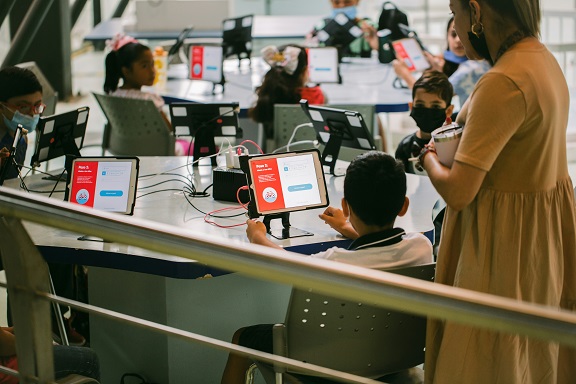
Personalized learning is an educational approach that tailors the learning experience to the individual needs, preferences, and skills of each student. This methodology recognizes that every learner is unique, possessing distinct strengths, weaknesses, and interests that influence their educational journey. In the current educational landscape, where one-size-fits-all solutions often fall short, personalized learning represents a significant shift towards more adaptable and engaging teaching methods.
The significance of personalized learning can be observed in its potential to enhance student engagement and motivation. By addressing the specific learning styles and paces of students, educators can foster a more active learning environment where students feel empowered to take ownership of their education. This individualized approach allows learners to explore topics that resonate with their interests, thus increasing their investment in the educational process.
In practice, personalized learning can manifest in various formats, including tailored lesson plans, adaptive learning technologies, and competency-based assessments, which collectively work to create a more customized educational experience. Educators can utilize data-driven insights to monitor student progress closely, enabling them to adjust teaching strategies according to each learner’s development. This flexibility is crucial in ensuring that no student is left behind, as personalized learning supports learners across different academic levels and backgrounds.
As technology continues to advance, its integration into personalized learning initiatives becomes increasingly vital. Online platforms and learning management systems provide vast resources and tools that allow educators to design personalized learning pathways. Consequently, personalized learning is not merely a trend but rather a fundamental shift toward a more inclusive and effective educational framework that seeks to cultivate the potential of every student.
The Evolution of Technology in Education
Technology’s integration into the educational landscape has evolved significantly over the decades, transforming traditional approaches to teaching and learning into more flexible and personalized experiences. In the early 20th century, educational tools were primarily limited to textbooks, chalkboards, and basic resources, which provided a one-dimensional educational experience for students.
As we moved into the latter half of the 20th century, the introduction of educational audiovisual materials, such as film projectors and overhead transparencies, began to change the dynamics of the classroom. These tools allowed educators to present content in more engaging formats and reached a broader variety of learning styles, setting the stage for future developments in educational technology.
The 1980s marked a significant turning point with the arrival of computers in schools. Initially viewed as a supplemental tool, computers gradually became integral to educational practices. Their ability to offer interactive learning experiences laid the groundwork for future advancements. Subsequently, the internet’s emergence in the 1990s revolutionized access to information and resources, enabling students and educators to connect across geographical boundaries.
The proliferation of online learning platforms and learning management systems (LMS) in the early 2000s further advanced the integration of technology in education. These platforms provided customized learning pathways and resources, allowing educators to cater to individual student needs effectively. The rise of mobile devices in the subsequent years added another layer of accessibility, enabling learners to engage with educational content anytime and anywhere.
Today, technologies such as artificial intelligence, big data, and augmented reality are reshaping personalized learning experiences, allowing for real-time assessment and tailored instruction. The continued evolution of technology in education highlights its critical role in fostering an adaptive learning environment, ultimately enhancing the educational experience for both students and educators alike.
Types of Technology Used in Personalized Learning
Personalized learning, a tailored educational approach that caters to individual student needs, can be significantly enhanced through various technological tools. One prominent technology used in this domain is adaptive learning software. This type of software adjusts the content delivered to students based on their learning pace and style, ensuring a customized experience. For instance, platforms like DreamBox Learning and Smart Sparrow allow students to tackle mathematical problems at a pace suited to them, providing more practice where necessary and accelerating learning for those who grasp concepts quickly.
Another crucial component of personalized learning is Learning Management Systems (LMS). LMS platforms such as Moodle and Canvas enable educators to create, deliver, and manage personalized learning experiences. These systems provide both teachers and students with valuable insights into progress, capabilities, and areas requiring improvement. By utilizing data analytics available in these systems, educators can tailor lessons and resources based on real-time performance, fostering a more responsive learning environment.
Additionally, educational apps have become increasingly popular in facilitating personalized learning. Applications like Duolingo and Khan Academy offer students personalized pathways to learning various subjects, allowing them the flexibility to learn at their own pace. Such apps often incorporate gamification elements, keeping students engaged while providing them control over their learning journey.
Moreover, the infusion of artificial intelligence (AI) in educational technology is transforming personalized learning further. AI-driven platforms, such as Squirrel AI, analyze student performance data and deliver tailored recommendations accordingly. This technology not only customizes content but also anticipates student needs, thus enhancing engagement and motivation.
Benefits of Technology in Personalized Learning
The integration of technology into educational settings has revolutionized personalized learning, offering myriad benefits that enhance the overall learning experience for students. One of the primary advantages is the significant increase in student engagement. When technology is utilized, students are often more motivated to participate actively in their learning processes. Tools such as interactive software, simulation games, and digital resources can capture students’ interest and make learning more enjoyable and dynamic.
In addition to fostering engagement, personalized learning facilitated by technology has been linked to improved learning outcomes. Through the use of adaptive learning platforms, students receive tailored content that matches their unique strengths and weaknesses. This individualized approach helps students master concepts at their own pace, allowing for a deeper comprehension of the material and promoting better academic performance.
Moreover, technology provides enhanced accessibility for diverse learners. With various digital tools available, including assistive technologies, educators can address the needs of students with disabilities or varying learning preferences. For instance, text-to-speech applications can support students with reading difficulties, making educational materials more accessible and inclusive. Additionally, online resources allow learners to access information anytime, anywhere, further breaking down barriers to education.
Lastly, technology offers valuable data-driven insights into student performance. Educational software can compile and analyze data on students’ learning behaviors, allowing teachers to identify trends and make informed decisions. This capability enables educators to provide timely interventions tailored to specific learning needs, ensuring that no student falls behind. By harnessing the power of technology, personalized learning becomes more effective, equitable, and responsive to the diverse landscape of today’s classrooms.
Challenges in Implementing Technology for Personalized Learning
In the sphere of personalized learning, the integration of technology presents various obstacles that can hinder its successful application. One major challenge is the digital divide, which refers to the gap between individuals who have easy access to digital technology and those who do not. Students from low-income backgrounds may lack the necessary devices or reliable internet access, thus limiting their ability to engage in personalized educational experiences. This disparity can lead to unequal opportunities for learning, raising concerns about equity and inclusivity in educational settings.
Another significant issue relates to the varying levels of technological proficiency among both educators and students. Many teachers may not possess the required skills to effectively utilize advanced educational technologies, which can prevent the full realization of personalized learning strategies. Professional development and training programs are often necessary to equip educators with the tools and expertise required, yet such initiatives may be inadequately supported or funded. In addition, students may also experience a range of technological competencies, potentially impacting their ability to leverage personalized learning platforms effectively.
Concerns regarding data privacy also pose a substantial challenge. The implementation of technology in education often involves the collection of vast amounts of personal data from students, prompting questions about how this information is stored, protected, and used. Parents, educators, and policymakers are increasingly aware of the potential risks associated with data breaches, leading to hesitance in adopting certain technologies that are deemed invasive. Striking a balance between leveraging the benefits of technology for personalized learning while ensuring data security and privacy measures are rigorously maintained is a critical challenge that institutions must navigate.
Case Studies: Successful Implementations of Technology in Personalized Learning
In recent years, the integration of technology in personalized learning has led to several impactful case studies demonstrating effective educational outcomes. One notable example is the use of adaptive learning technologies at a public high school in Texas. This institution adopted a platform that tailors content to meet the individual learning pace and style of each student. The preliminary results showed a significant improvement in student engagement and performance, with a 30% increase in test scores, illustrating how technology-enabled personalized instruction can enhance academic success.
Another remarkable case can be observed at a middle school in California, where a blended learning model was implemented. The school utilized a combination of in-person instruction and online resources to create a responsive learning environment. Students participated in interactive modules that adapted to their learning needs while teachers received real-time data analytics to monitor progress. As a result, the school reported a notable decrease in dropout rates and an increase in student satisfaction, underscoring the potential of technology to foster a supportive educational atmosphere.
A third example comes from an international online learning platform that caters to learners worldwide. This platform utilizes artificial intelligence (AI) to assess students’ strengths and weaknesses, providing customized recommendations for coursework and resources. This approach has not only improved learning outcomes for diverse populations but has also contributed to higher retention rates among users. By leveraging AI, the platform exemplifies how technology can break down barriers in personalized learning, making education more accessible and effective for all.
These case studies highlight the varied applications of technology in personalized learning environments. They illustrate that with the right tools and methodologies, educators can create targeted learning experiences that meet the unique needs of each student. This, in turn, reinforces the critical role that technology plays in advancing personalized education.
Future Trends in Technology and Personalized Learning
The landscape of education is undergoing a transformative shift, primarily influenced by advancements in technology. As we look ahead, several emerging innovations promise to revolutionize personalized learning environments. Among these, virtual reality (VR) stands out as a powerful tool that provides immersive learning experiences. By simulating real-world scenarios, VR can cater to individual learning styles, allowing students to engage with content actively. This hands-on approach facilitates deeper understanding and retention of knowledge.
Additionally, machine learning continues to gain traction in educational applications. By analyzing vast amounts of data, machine learning algorithms can identify unique learning patterns and preferences among students. This capability enables the customization of educational materials and assessments, ensuring that learners receive the tailored support necessary for their success. As a result, educators can focus on addressing individual strengths and weaknesses more effectively.
Another significant trend is the integration of learning analytics, which involves the collection and analysis of data related to student interactions and performance. By leveraging these insights, educators can refine their teaching methods and strategies to enhance the personalized learning experience. Moreover, learning analytics can aid in early intervention by identifying at-risk students and providing timely support.
With the continuous evolution of technology, we can also anticipate the rise of adaptive learning platforms that respond dynamically to the learners’ progress. These platforms will utilize real-time data to adapt content and difficulty levels, creating a more responsive and personalized education ecosystem.
Overall, the interplay of these technologies—virtual reality, machine learning, and learning analytics—will significantly shape the future of personalized learning. As educational institutions invest in these innovations, they will create more inclusive, engaging, and effective learning experiences tailored to the diverse needs of every student.
Best Practices for Integrating Technology in Personalized Learning
Integrating technology into personalized learning requires a thoughtful approach that prioritizes the needs of learners while leveraging digital tools effectively. One effective strategy is selecting appropriate tools tailored to the specific demands of individualized education. This involves conducting thorough research to identify platforms that support a range of learning styles and preferences. For instance, educators might consider using adaptive learning software that adjusts content difficulty based on an individual student’s mastery level, thereby enhancing engagement and comprehension.
Continuous professional development is equally essential. Educators need regular training on emerging technologies and methods to maximize their benefits within personalized learning frameworks. By participating in workshops, online courses, and collaborative learning experiences, teachers can stay updated on best practices and innovative tools. This ongoing education not only empowers teachers but also motivates them to experiment with new approaches, ultimately leading to a more enriched learning environment for students.
Furthermore, creating inclusive learning environments plays a critical role in the effective integration of technology. This can be achieved by ensuring that all students have access to the necessary resources, such as devices and reliable internet connectivity. Educators should also design lessons that are adaptable to accommodate diverse learning needs, allowing every student to actively participate in their educational journey. Fostering a collaborative atmosphere, where students can share their insights and experiences with technology, can also promote peer learning and collective growth.
By implementing these best practices—selecting appropriate tools, focusing on professional development, and creating inclusive environments—educators can significantly enhance the effectiveness of personalized learning experiences through technology integration.
Conclusion: The Future of Education Through Technology
As we have explored throughout this blog post, technology plays a pivotal role in shaping personalized learning environments. The integration of innovative tools such as artificial intelligence, learning analytics, and interactive platforms enables educators to tailor educational experiences to the individual needs of each student. This approach not only enhances engagement but also ensures that learning is effective and relevant, addressing the diverse backgrounds and learning styles of all students.
Moreover, the adoption of technology in education is not merely an enhancement; it is rapidly becoming a fundamental necessity. The landscape of education is evolving, and institutions that fully embrace these technological advancements will be better equipped to prepare students for the complexities of the future. Educators are encouraged to consider technology not as an optional resource but as an essential element that can transform traditional teaching methodologies into dynamic and personalized learning journeys.
In conclusion, the future of education hinges on how effectively we harness technology to create customized learning experiences. By prioritizing the integration of these technological tools, we can foster an educational environment that is responsive to the needs of the individual learner. Therefore, it is imperative for educators and institutions to invest in these technologies, paving the way for a more inclusive, engaging, and effective educational system that equips every learner for success in an increasingly digital world.