

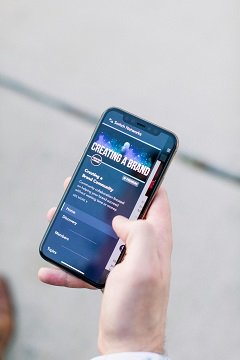
Personal branding is a strategic process that focuses on the development of an individual’s identity and reputation. Unlike traditional branding, which emphasizes a company’s products and services, personal branding revolves around an individual’s personal attributes, which include talents, experiences, and skills. The power of personal branding lies in its ability to convey a unique narrative that reflects one’s values and aspirations, making it a critical tool for personal and professional growth.
A significant distinction between personal branding and traditional branding is that personal branding prioritizes authenticity. Individuals are encouraged to present a genuine version of themselves, as this authenticity fosters trust and relatability among peers and potential employers. In a professional landscape where competition is fierce, projecting an authentic and coherent personal brand can set one apart, making it easier to form meaningful connections in both personal relationships and professional networks.
The importance of personal branding extends beyond mere image-building; it can greatly influence career prospects. A well-crafted personal brand can open doors to new opportunities, establish one as a thought leader in a specific field, and even attract collaboration with like-minded individuals. As individuals showcase their competencies and unique perspectives, they can establish a reputation that distinguishes them from others in their industry. This distinction can lead to promotions, job offers, and expanded networks, ultimately enhancing an individual’s prospects in a rapidly changing job market.
In conclusion, understanding personal branding is vital in today’s interconnected world, where one’s reputation and image have become invaluable assets. By shaping a personal brand that is authentic and reflective of one’s unique qualities, individuals can significantly enhance their professional opportunities and relationships.
The Components of a Successful Personal Brand
Building a successful personal brand requires a thoughtful approach that encompasses several key elements. The first step is identifying your core values, which serve as the foundation of your brand identity. This involves an introspective examination of what principles are most important to you, such as integrity, innovation, or authenticity. By articulating these values clearly, you can ensure they resonate throughout all your branding efforts.
Next, defining a unique niche is essential in differentiating yourself in a crowded marketplace. A niche is the specific area within your field where you can showcase your expertise and passion. By leveraging your unique skills and perspectives, you can position yourself as an authority, making it easier for your target audience to recognize the value you provide.
Understanding your target audience is another critical component in creating a personal brand. Conducting thorough market research allows you to gain insights into the preferences, needs, and behaviors of the individuals you aim to reach. This understanding not only informs your messaging but also allows you to tailor your content and communication style to better engage your audience.
Consistency in both messaging and aesthetics plays a significant role in reinforcing your personal brand. This includes using the same tone of voice across different platforms, as well as maintaining a cohesive visual identity that aligns with your values. Consistency fosters trust and familiarity, making it easier for your audience to connect with you.
Lastly, storytelling is a powerful tool in personal branding. Sharing your experiences, challenges, and successes helps humanize your brand, making it relatable to your audience. Practical tips for cultivating these components include creating a content calendar to ensure regular engagement and utilizing social media platforms effectively to amplify your presence.
Common Misconceptions about Personal Branding
Personal branding is often surrounded by several misconceptions that can deter individuals from pursuing it effectively. One prevalent myth is that personal branding is only relevant for entrepreneurs. This belief overlooks the fact that personal branding can significantly benefit anyone, including students, professionals in corporate environments, and influencers across various industries. Regardless of one’s career trajectory, cultivating a distinct personal brand can enhance visibility and create opportunities for career advancement.
Another common misunderstanding is that the process of building a personal brand necessitates extensive marketing skills. While marketing knowledge can be beneficial, it is not a prerequisite for personal branding. In reality, personal branding is largely about authenticity and self-awareness. Individuals can craft their unique stories without needing to delve into complex marketing strategies. Instead, focusing on genuine actions, such as engaging with audiences, sharing meaningful content, and showcasing expertise, can significantly contribute to developing a compelling personal brand.
Moreover, many individuals believe that personal branding is a quick process that yields immediate results. This misconception can lead to frustration and discouragement. In truth, personal branding requires a long-term commitment and consistent efforts over time. Building a reputable personal brand is akin to nurturing a relationship; it demands patience and authenticity. The gradual nature of this process allows individuals to establish trust and a credible presence within their chosen field, ultimately leading to lasting connections and opportunities.
By addressing these common misconceptions and understanding that personal branding is accessible to everyone, individuals can approach this journey with the right mindset. Engaging genuinely with one’s audience and committing to personal growth are essential steps that empower individuals to build their brand effectively.
Strategies to Build and Maintain Your Personal Brand
Building and maintaining a personal brand is an ongoing process that requires strategic planning, consistent effort, and a strong understanding of your target audience. One effective strategy for personal branding is leveraging social media platforms. By curating your online presence through channels such as LinkedIn, Instagram, and Twitter, you can reach a larger audience and showcase your expertise. It is essential to create engaging content that resonates with your audience while reflecting your personal values and professional goals. Regular posting and interaction on these platforms can significantly enhance your visibility and credibility.
Networking is another crucial element in establishing a personal brand. Make a conscious effort to connect with individuals who share similar interests and can provide support or collaboration opportunities. Attend industry events, webinars, and workshops where you can meet like-minded professionals. Building genuine relationships can lead to referrals and amplifying your voice within your niche.
Engaging with communities aligned with your brand is equally important. Participate in forums, discussion groups, and local meet-ups that reflect your interests and expertise. Sharing valuable insights or volunteering your time can showcase your dedication to your field, helping to strengthen your personal brand further.
Moreover, it is vital to embrace continuous learning. Stay updated on industry trends, new tools, and best practices. By continuously adapting your skills and knowledge, you can adjust your personal brand strategy to remain relevant over time. Evaluate your brand regularly and make necessary adjustments to reflect your growth and evolving goals. This proactive approach will not only help in maintaining your brand but also solidify your position as a thought leader in your industry.