

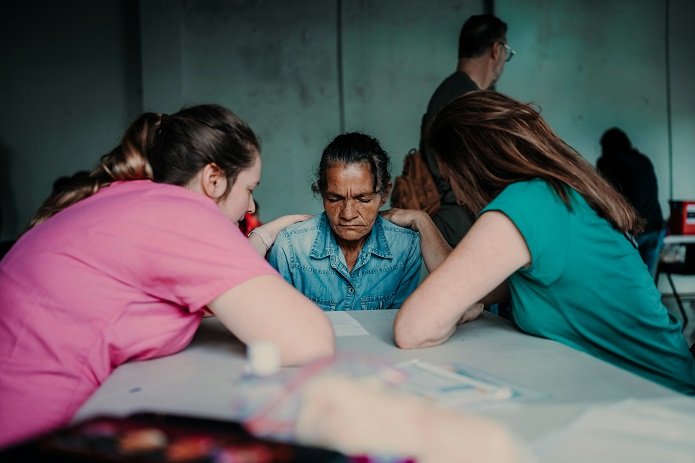
Open-mindedness refers to the willingness to consider new ideas and engage with perspectives different from one’s own. This concept encompasses a range of attitudes and behaviors, from actively listening to others’ viewpoints to reassessing one’s own beliefs in light of new information. Open-mindedness is pivotal in our interactions, as it fosters a respectful dialogue that allows individuals to explore diverse opinions rather than merely tolerating them. In essence, being open-minded involves an active approach to discussions, wherein participants engage critically with alternative ideas.
Psychologically, open-mindedness is rooted in cognitive flexibility, allowing individuals to adjust their thought processes and beliefs when confronted with compelling evidence or reasoning. This attribute is essential in enabling personal growth and understanding, as it challenges individuals to reflect on their preconceived notions and biases. Moreover, open-mindedness should not be confused with indecisiveness; the former involves confidence in one’s ability to evaluate and incorporate diverse perspectives, while the latter often stems from a lack of clarity or conviction.
The importance of open-mindedness in fostering respectful dialogue cannot be overstated. It creates an environment where individuals feel valued and encouraged to share their thoughts, knowing that they will be heard and considered. This exchange enhances interpersonal relationships and contributes to collective problem-solving in various contexts, from personal interactions to professional settings. Embracing an open-minded approach assists in reducing conflict, as it promotes empathy and understanding between differing viewpoints, making conversations more constructive.
Benefits of Open-Minded Conversations
Open-minded conversations serve as a cornerstone for personal development and stronger communities. One significant benefit is the promotion of empathy. When individuals engage in discussions without preconceived notions or biases, they create an environment where differing perspectives can be understood. This promotes emotional intelligence and enhances personal connections, fostering a greater sense of belonging and acceptance among diverse groups.
Additionally, open-minded exchanges can greatly enhance problem-solving capabilities. In a world where challenges are both multifaceted and complex, collaborating with various viewpoints allows for a more holistic approach to issue resolution. By considering alternative ideas and strategies, individuals can uncover creative solutions that might not have emerged within a more closed-dispositioned dialogue.
Moreover, the positive impact of these conversations extends to relationships as well. Open-minded dialogue builds trust and encourages cooperation. When individuals feel heard and respected, they are more likely to express their thoughts candidly, enriching the relationship dynamic. This not only leads to more honest communication but also cultivates an atmosphere of mutual respect and understanding.
At a broader societal level, open-minded conversations are essential for conflict resolution. In diverse settings where differences can easily escalate into discord, fostering a culture of open dialogue can bridge gaps and promote peace. By facilitating conversations that value differing opinions, communities can work together to address issues constructively, paving the way for collective solutions and a more united society.
Overcoming Barriers to Open-Mindedness
In a world characterized by diverse perspectives and differing opinions, engaging in open-minded conversations is essential. However, several barriers often hinder individuals from embracing this mindset. Common obstacles include personal biases, preconceived notions, and societal pressures that shape one’s worldview. For instance, when individuals hold strong beliefs, they may resist addressing opposing viewpoints, leading to ineffective communication.
One primary strategy to overcome these barriers is to practice active listening. This technique goes beyond merely hearing words; it involves understanding the speaker’s message, as well as their emotions and motivations. By focusing on the speaker without forming a response in advance, individuals can gain deeper insights and appreciate alternative perspectives. Additionally, asking clarifying questions encourages further discussion and reduces misunderstandings.
Cultivating a growth mindset is another vital approach for fostering open-mindedness. Shifting from a fixed mindset—where one believes abilities are static to a growth mindset—where one sees potential for development—allows individuals to view challenges as opportunities for learning. This mental flexibility encourages individuals to explore new ideas without fear of judgment.
Moreover, emotional intelligence and self-awareness play crucial roles in promoting an open-minded attitude. By developing a keen awareness of one’s own emotions, reactions, and triggers, individuals can manage their responses during conversations. Recognizing biases and understanding how they influence thoughts and interactions can lead to more constructive dialogues.
To sum up, overcoming barriers to open-mindedness requires intentional efforts such as active listening techniques, embracing a growth mindset, and enhancing emotional intelligence. By addressing these challenges, individuals can engage more authentically in meaningful conversations, which ultimately fosters a culture of understanding and collaboration.
Cultivating Open-Minded Conversations in Daily Life
Engaging in open-minded conversations is crucial for fostering understanding and connection among individuals. By implementing a few practical strategies, one can enhance the quality and effectiveness of their interactions. First, creating a safe space for dialogue is essential. This involves cultivating an environment where individuals feel comfortable expressing their thoughts without fear of judgment. It could be as simple as choosing a quiet setting, ensuring confidentiality, or explicitly stating the intent of the conversation—to listen and understand rather than to debate or argue.
Another effective strategy is to ask open-ended questions. These types of questions encourage deeper exploration of ideas and feelings, prompting individuals to elaborate on their perspectives. For example, instead of asking, “Did you like the presentation?” one might ask, “What aspects of the presentation resonated with you and why?” This invites discussion rather than merely seeking a yes or no answer, thereby fostering an open-minded dialogue that can lead to rich interaction.
Moreover, practicing patience and respect during discussions is fundamental. It is important to acknowledge differing viewpoints and approach conversations with a genuine curiosity to learn. This means actively listening and resisting the urge to interrupt or interject personal opinions prematurely. Remaining silent at times can also be beneficial; it provides individuals space to reflect on the conversation and consider the other person’s point of view before responding. Silence acts as a bridge to deeper understanding, allowing participants to engage more thoughtfully.
Incorporating these practices into daily conversations can significantly enhance interpersonal connections and promote open-mindedness in various settings, from casual interactions to more structured discussions. As open-minded conversations become a regular practice, they can lead to richer relationships and a more profound appreciation of diverse perspectives.