

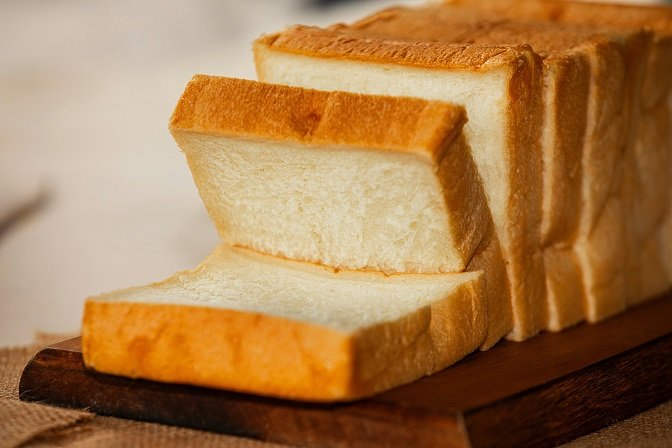
To create soft and fluffy soft homemade bread, a selection of essential ingredients is required. Each ingredient plays a significant role in the overall texture, flavor, and rise of the bread. The primary ingredient is flour, typically all-purpose or bread flour, which provides the structure and strength necessary for the bread. The proteins in the flour, when mixed with water and kneaded, form gluten, which contributes to the chewy texture.
Another crucial ingredient is yeast, a living microorganism that ferments the sugars present in the flour. Yeast produces carbon dioxide, which causes the dough to rise, resulting in light and airy bread. Sugar acts as food for the yeast, enhancing its activity and aiding in the development of a golden crust. It also adds a touch of sweetness to the bread.
Adding salt is important not only for flavor enhancement but also for regulating the fermentation process. Salt strengthens the dough and controls the speed at which yeast ferments, ensuring that the bread rises evenly.
Water is the next vital ingredient, serving as the medium through which the flour and yeast combine. The appropriate temperature of the water is paramount; warm water helps activate the yeast quickly, while cold water may slow down the fermentation process.
Optional ingredients such as milk and butter can further enhance the moisture and flavor of the bread. Milk adds richness, and when replaced for part of the water, it can create a softer crumb. Butter, on the other hand, enriches the dough, adding flavor and tenderness, resulting in an exceptionally soft texture.
Step-by-Step Instructions for Dough Preparation
To prepare a soft and fluffy homemade bread, the first step is to gather the ingredients, which typically include all-purpose flour, yeast, salt, sugar, and warm water or milk. Begin by combining the dry ingredients. In a large mixing bowl, whisk together 4 cups of all-purpose flour, 2 teaspoons of active dry yeast, and 1 tablespoon of salt. It is important to mix these ingredients thoroughly to ensure even distribution of the yeast and salt.
Next, in a separate bowl, combine the warm water (around 110°F or 43°C) with 1 tablespoon of sugar. Allow the mixture to sit for about 5-10 minutes until it becomes frothy, signaling that the yeast is activated. Once the yeast mixture is ready, create a well in the center of the dry ingredients and gradually pour in the yeast mixture along with 3 tablespoons of melted butter. Using a wooden spoon or spatula, mix the ingredients until they start to come together.
At this stage, it is crucial to knead the dough, which helps develop gluten. Transfer the dough to a floured surface and knead for approximately 8-10 minutes. During this process, you should aim for a smooth and elastic consistency. If the dough is too sticky, sprinkle small amounts of flour as needed, but avoid adding too much to keep the bread light.
To determine if the dough is ready for its first rise, perform the “poke test”: gently press your finger into the dough and if it springs back slowly, it is ready. Form the dough into a ball and place it in a greased bowl, covering it with a damp cloth. Let it rise in a warm space until it doubles in size, which typically takes about 1 to 1.5 hours. Following these instructions will help ensure that your dough is prepared properly for baking.
The Rising Process and Shaping the Dough
The rising process is a critical phase in bread-making that significantly impacts the final texture and flavor of the bread. During this stage, yeast ferments the sugars present in the dough, producing carbon dioxide gas that causes the dough to expand. To achieve optimal results, it is essential to allow the dough sufficient time to rise, typically between 1 to 2 hours, depending on various factors such as room temperature and the type of yeast used. A warmer environment facilitates faster yeast activity, leading to a quicker rise, while cooler temperatures may slow down the process.
When shaping the dough, one must consider the method to ensure proper structure and even rising. Begin by gently deflating the dough after its first rise, as this helps to redistribute the yeast and incorporate any accumulated gases back into the mixture. Next, shape the dough into the desired form, whether it be loaves or rolls, ensuring that it maintains a smooth surface and a tight seam. This not only aids in the aesthetic appeal but also supports even rising during the baking phase.
Common troubleshooting during this stage may include insufficient rise, which can occur due to expired yeast or inadequate warmth. In such cases, consider moving the dough to a warmer spot or using a proofing box if available. Additionally, if the dough is overly sticky and challenging to handle, sprinkle a small amount of flour to achieve the desired consistency without compromising moisture levels. By closely monitoring these factors during the rising process and while shaping the dough, bakers can enhance the quality of their homemade bread, leading to a soft and fluffy final product.
Baking Your Bread to Perfection
To achieve soft and fluffy homemade bread, the baking process is crucial. Begin by preheating your oven to a temperature of 375°F (190°C). This step ensures an even cooking environment for your bread. Once the dough has risen adequately, carefully place it in the center of the preheated oven. The ideal baking time will typically range from 25 to 30 minutes, depending on the size and shape of your loaf. It is important to monitor the bread closely towards the end of the baking time.
One effective method to check for doneness is to tap the bottom of the loaf gently; if it sounds hollow, your bread is likely finished. Additionally, using a food thermometer can provide an accurate internal temperature reading; it should reach approximately 190°F (88°C) for optimal softness and fluffiness. Understanding these doneness indicators is essential for baking perfect bread every time.
After removing the bread from the oven, allow it to cool on a wire rack. This cooling period is vital, as it helps to set the crust and allows moisture to redistribute throughout the bread, enhancing its softness. It is recommended to avoid slicing into the bread immediately, as this can lead to a gummy texture.
Once the bread has cooled completely, store it properly to maintain its freshness and softness. Wrapping the bread in plastic wrap or placing it in a bread bag helps protect it from air exposure, preventing it from drying out. For longer storage, consider freezing your bread, which can preserve its qualities for several weeks. By adhering to these baking and storage tips, your homemade bread will remain soft and fluffy, ready to enjoy on any occasion.