

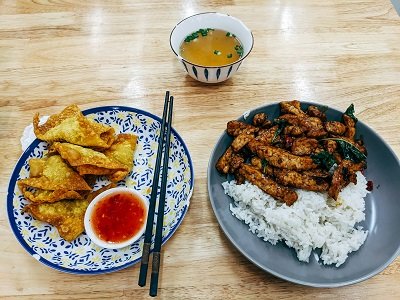
Chinese cuisine is renowned for its diversity and depth, reflecting the vast cultural heritage and history of China. Originating thousands of years ago, it has evolved through dynasties, trade, and cultural exchanges, making it a rich tapestry of flavors and cooking techniques. Each region of China offers distinct culinary practices, textures, and tastes, showcasing regional ingredients and traditional cooking methods that vary significantly between areas.
For instance, the spicy dishes of Sichuan province contrast sharply with the subtle flavors of Cantonese cuisine, which emphasizes freshness and delicate balances. Similarly, Northern Chinese food often highlights wheat-based products, while rice holds prominence in the South. This regional variability in Chinese food not only caters to varied palates but also represents deeply-rooted cultural beliefs and practices tied to the land and climate.
Key ingredients common in traditional Chinese recipes include rice, noodles, vegetables, tofu, and meats such as pork and chicken. Herbs and spices, including ginger, garlic, and sesame, play a crucial role in augmenting flavors. The philosophy that underpins Chinese cuisine revolves around the concept of balance—between yin and yang, textures, and flavors like sweet, sour, salty, and spicy. It is often observed during significant festivals and cultural celebrations, where particular dishes symbolize prosperity, health, and unity.
Festival celebrations, such as the Chinese New Year and the Mid-Autumn Festival, involve specific foods that carry cultural significance. Dishes like dumplings and mooncakes embody rituals intended to invite good fortune and family togetherness. As such, the gastronomical landscape of Chinese cuisine serves not only to satisfy hunger but to enrich cultural identity and communal bonds.
Essential Ingredients for Chinese Cooking
Chinese cuisine is celebrated for its rich flavors and diversity, primarily due to the use of a wide array of essential ingredients. Understanding these ingredients is vital for anyone looking to replicate authentic Chinese food recipes at home. The first fundamental ingredient is soy sauce, a staple in Chinese cooking that adds a savory umami flavor to dishes. It is crucial for marinating proteins and imparting depth to stir-fries and sauces.
Another key ingredient is rice wine, commonly known as Shaoxing wine. This element is used for its mild sweetness and aromatic qualities, enhancing the flavor of many dishes, particularly when used in marinades or when deglazing pans. It is essential to choose a good quality rice wine to achieve the best results in cooking.
Ginger and garlic are also cornerstones of Chinese cuisine. These ingredients lend warmth and a distinct pungency to recipes, whether used as fresh, minced, or ground. They serve as the aromatic base for many stir-fried vegetables and meat dishes, helping to create a fragrant foundation for the entire meal.
Further, various spices play crucial roles as well. For instance, five-spice powder, which combines star anise, cloves, Chinese cinnamon, Sichuan peppercorns, and fennel seeds, adds complexity to dishes. It is commonly used to season meats or enhance broths.
Lastly, sesame oil, a fragrant oil derived from sesame seeds, is often employed as a final touch to dishes, providing a nutty aroma. This oil is also great for salad dressings or as a finishing oil to drizzle over the top of stir-fries and soups. By stocking your kitchen with these essential ingredients, you’re well on your way to preparing authentic Chinese meals that are both delicious and satisfying.
Top Chinese Recipes to Try at Home
Chinese cuisine is known for its bold flavors, aromatic spices, and diverse textures. For home cooks looking to explore this culinary landscape, here is a selection of memorable Chinese recipes that are both accessible and delightful.
Kung Pao Chicken is a classic dish originating from the Sichuan province. This stir-fry combines diced chicken with peanuts, bell peppers, and a rich, spicy sauce. Key ingredients include soy sauce, rice vinegar, and Szechuan peppercorns, which give it its characteristic heat and numbing sensation. To perfect this dish, marinate the chicken for at least 30 minutes, ensuring that the flavors penetrate the meat, and serve it hot with steamed rice.
Fried Rice, a staple in many Chinese households, is a versatile dish that can utilize leftover rice and vegetables. Essential components for this recipe include cooked rice, eggs, soy sauce, and a mix of onions, peas, and carrots. The cooking method is crucial; frying the rice over high heat ensures that it becomes crispy and flavorful. For an extra touch, consider adding some grilled chicken or shrimp for added protein.
Dumplings are another beloved Chinese tradition. They can be filled with a variety of ingredients such as minced pork, cabbage, and green onions. The dumpling dough requires only flour and water, making it easy to prepare. Once assembled, dumplings can be steamed, boiled, or pan-fried to achieve different textures. A dipping sauce made of soy sauce, vinegar, and chili oil elevates the tasting experience.
Trying your hand at these recipes not only enhances your culinary skills but also brings a taste of authentic Chinese cuisine into your home. Each dish offers a unique flavor profile, encouraging exploration and creativity in the kitchen.
Tips for Mastering Chinese Cooking Techniques
Mastering Chinese cooking techniques requires attention to detail and practice. One of the most fundamental methods in Chinese cuisine is stir-frying, which involves cooking small pieces of food quickly over high heat. To achieve the best results, ensure your wok or skillet is preheated adequately; this will allow for even cooking and caramelization of ingredients. Use oils with high smoke points, such as peanut or canola oil, to prevent burning and enhance flavor.
Another essential technique is steaming, which is often employed to preserve the nutrients and natural flavors of food. Invest in a bamboo steamer, as it allows for even distribution of heat and moisture. When steaming vegetables or dumplings, ensure the boiling water is at a rolling boil before placing the steamer, and maintain a cover to trap steam effectively. This method is particularly useful for maintaining the vibrant colors and crisp textures of ingredients.
Making sauces from scratch is key to achieving authentic flavors in Chinese dishes. A balanced sauce typically includes a combination of soy sauce, vinegar, and aromatics like garlic and ginger. Experiment with the ratio of these components to suit your taste, while also incorporating other elements such as sesame oil or chili paste for depth. Remember to taste and adjust as you go, ensuring that each sauce complements your dishes without overpowering them.
Furthermore, presentation plays a significant role in Chinese cuisine. Consider the color and arrangement of your ingredients on the plate; vibrant greens and reds can make your dish visually appealing. Finally, balancing flavors—including sweet, salty, sour, and spicy—will enhance the overall dining experience. Each of these techniques, when practiced, can elevate your cooking, making it truly reflective of the rich culinary traditions of China.