
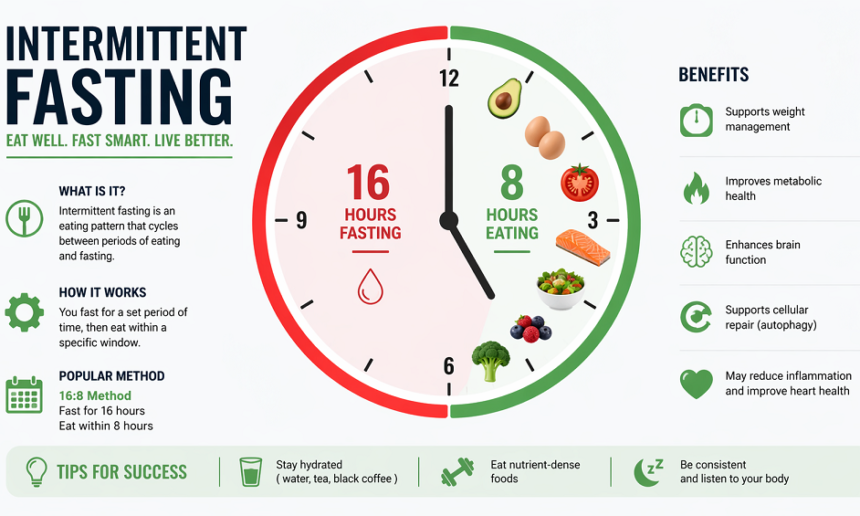
Intermittent fasting (IF) is more than a diet; it is an eating pattern that cycles between periods of fasting and eating. Unlike traditional diets that focus on what to eat, IF emphasizes when to eat. The concept has existed for centuries, rooted in various cultures and religions, where fasting was practiced for spiritual and health benefits. Historical contexts show that ancient civilizations often relied on intermittent fasting not only for health but also when food was scarce.
In recent years, IF has gained popularity as a tool for weight loss and metabolic health improvement. The appeal of intermittent fasting lies in its simplicity and flexibility. It allows individuals to choose their eating windows rather than adhere to strict calorie restrictions, making it a more sustainable lifestyle change. People may opt for intermittent fasting for several reasons, such as the desire to lose weight, enhance metabolic efficiency, or even promote longevity.
Different methods of intermittent fasting cater to a range of preferences and lifestyles. The 16/8 method is one of the most popular approaches where individuals fast for 16 hours and eat during an 8-hour window. This can easily fit into daily schedules by, for example, skipping breakfast. Another well-known method is the 5:2 diet, which involves consuming a normal diet for five days a week while limiting calorie intake to about 500-600 calories on two non-consecutive days. Alternate-day fasting is another protocol that alternates between fasting days and non-fasting days, appealing to those who may prefer more flexibility. Each of these methods has unique benefits and can be tailored to suit individual preferences.
Ultimately, understanding intermittent fasting is essential for anyone considering this approach. With various methods available, individuals can select one that aligns with their health goals and lifestyle, thereby enhancing their overall well-being.
Health Benefits of Intermittent Fasting
Intermittent fasting (IF) has garnered attention as a potential means of promoting various health benefits, many of which are supported by scientific literature. One of the most notable advantages is its role in weight management. Studies indicate that IF can help individuals reduce overall caloric intake, leading to weight loss, particularly when combined with a balanced diet. The reduction in body fat is often attributed to the body’s transition into a fat-burning state during fasting periods.
Improved insulin sensitivity is another significant benefit associated with intermittent fasting. Research shows that periodic fasting can lower insulin levels and improve insulin sensitivity, which is crucial for managing blood sugar levels. This reduced insulin resistance is particularly beneficial for individuals at risk of type 2 diabetes.
Furthermore, intermittent fasting has been linked to a reduction in inflammation. Chronic inflammation is known to contribute to various diseases, including heart disease and cancer. Evidence suggests that the fasting process may help decrease markers of inflammation, thus reducing the risk of developing chronic health issues.
Another aspect of intermittent fasting worth noting is its potential impact on mental clarity and brain health. Some studies indicate that fasting may enhance brain function and could even promote the growth of new neurons. The neuroprotective effects of fasting are attributed to increased production of brain-derived neurotrophic factor (BDNF), which is vital for cognitive function.
Lastly, intermittent fasting has been explored for its connections to longevity. Animal studies have shown that calorie restriction can extend lifespan, and similar benefits are hypothesized for humans practicing IF. The underlying mechanisms are believed to include reduced oxidative stress and improved metabolic health. While more research is needed to confirm these outcomes in humans, the indications are promising, suggesting a myriad of health benefits associated with this dietary approach.
Getting Started with Intermittent Fasting
Embarking on the journey of intermittent fasting can be both exciting and challenging for beginners. The first step is to select an appropriate fasting schedule that suits your lifestyle. Common approaches include the 16/8 method, where you fast for 16 hours and eat during an 8-hour window, or the 5:2 technique, where you consume a normal diet for five days and restrict calories to approximately 500-600 for two non-consecutive days.
During your feeding windows, prioritize wholesome, nutrient-dense foods. Focus on incorporating a mix of lean proteins, healthy fats, and fiber-rich carbohydrates. This not only supports overall health but also aids in prolonging the feeling of satiety. Hydration is equally crucial; make sure to consume plenty of water throughout the day and consider herbal teas or black coffee during fasting periods to help manage hunger.
Hunger may be a common obstacle when starting intermittent fasting. To combat this, listen to your body and stay mindful of hunger cues. Some individuals find that their bodies adjust to the new eating pattern over time, reducing hunger pangs as they become accustomed to the fasting period. Additionally, distraction techniques such as engaging in activities you enjoy can help mitigate cravings.
Social situations can present a unique challenge while practicing intermittent fasting. Communicate your dietary choices with friends and family to help them understand your commitment. If possible, suggest social gatherings that accommodate your feeding schedule or focus on activities that do not center around food. Remember that flexibility is key; adjusting your fasting schedule occasionally can help maintain social relationships without compromising your fasting goals.
Finally, it’s important to listen to your body as you adjust to intermittent fasting. While some discomfort is normal, any persistent negative symptoms should prompt a reconsideration of your fasting approach. Find a balance that works for you, allowing intermittent fasting to enhance your health journey sustainably.
Safety and Considerations for Intermittent Fasting
Intermittent fasting (IF) can offer various health benefits, but it is crucial to approach this eating pattern with caution, particularly if you are new to it. One of the primary considerations is determining whether you are a suitable candidate for intermittent fasting. Individuals with certain medical conditions, such as diabetes, eating disorders, or those with a history of nutrient deficiencies, should consult a healthcare professional before beginning a fasting regimen.
It is also advisable for pregnant or breastfeeding women to avoid intermittent fasting, as it may not provide sufficient calories and nutrients required for both maternal health and fetal development. Additionally, individuals with a history of heart issues or those taking medications that require food intake should seek medical advice prior to engaging in fasting.
Potential side effects of intermittent fasting can range from mild discomfort to more severe reactions. Commonly reported symptoms include headaches, fatigue, and irritability, particularly during the initial adjustment period. These symptoms often diminish as the body adapts to the new eating schedule. However, if they persist or worsen, it is imperative to reassess your approach and potentially consult a healthcare provider.
To maintain a balanced relationship with food, it is essential to ensure that your meals during eating periods are nutritionally dense. Focus on incorporating a variety of food groups, including whole grains, lean proteins, healthy fats, and plenty of fruits and vegetables. This practice can help you meet your nutritional needs while partaking in intermittent fasting. Ultimately, a sustainable approach to food and eating habits can facilitate long-term adherence to intermittent fasting, allowing you to reap its benefits safely.