

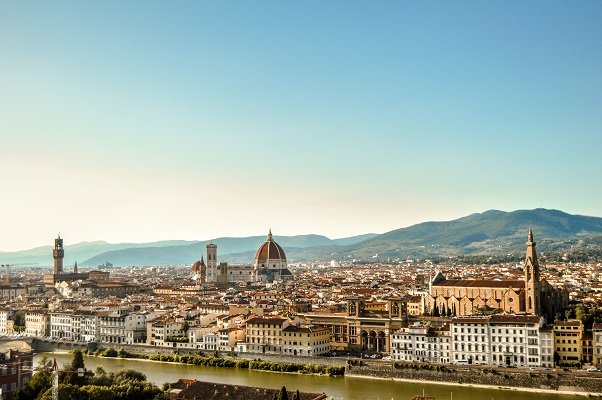
Italy Travel Guide, a country renowned for its unparalleled cultural heritage, stands as a testament to the rich tapestry of history, art, and culinary mastery that captivates visitors from across the globe. Spanning from the ancient ruins of Rome to the romantic canals of Venice, each city presents a unique narrative that unfolds through its architecture, museums, and local traditions. As one delves deeper into the Italian cityscape, it becomes clear that every urban center offers something distinctive, making Italy a compelling travel destination for individuals seeking diverse experiences.
The allure of Italy is not merely confined to its historical landmarks. It extends to the gastronomic delights that vary markedly from one region to another. From the tantalizing pizzas of Naples to the exquisite wines of Tuscany, the culinary landscape offers a feast for the senses. Furthermore, the country boasts a variety of festivals and cultural events that reflect its rich history and local customs, granting visitors an opportunity to immerse themselves in lively atmospheres.
Exploring Italy Travel Guide allows first-time visitors to navigate through a multitude of experiences that encompass both the past and present. Its cities are well-equipped to provide well-rounded experiences, catering to a variety of interests, whether it be exploring historic sites, indulging in local cuisine, or engaging with contemporary culture. By offering a glimpse of its artistic innovations, architectural grandeur, and regional diversity, Italy unfurls an invitation to travelers to engage with its vibrant heritage.
With such a rich palette of options, determining the ideal cities that encapsulate the essence of Italy can be challenging yet rewarding. In the following sections, we will delve deeper into specific cities that epitomize the best of what Italy has to offer for first-time visitors.
Rome: The Eternal City
Rome, often referred to as the Eternal City, stands as a prime destination for first-time visitors to Italy Travel Guide. Its historical significance is unparalleled, providing an extraordinary glimpse into the ancient world. The city is densely packed with iconic landmarks, each telling a story of its vibrant past. No visit is complete without stepping into the grandeur of the Colosseum, a monumental amphitheater that once hosted gladiatorial contests and spectacles, showcasing Rome’s architectural prowess during the imperial era.
The Vatican City, the heart of the Roman Catholic Church, is another essential stop. Home to St. Peter’s Basilica and the Sistine Chapel, adorned with Michelangelo’s striking frescoes, the Vatican offers a unique window into art, history, and spirituality. Visitors can spend hours marveling at the artistic achievements that define this religious enclave. Additionally, the Trevi Fountain, an exquisite example of Baroque architecture, invites travelers to toss a coin over their shoulder, a gesture believed to ensure their return to the city.
Exploring Rome is best done on foot, allowing one to immerse in the local culture and find hidden gems along the cobblestone streets. Sample authentic Roman cuisine such as pasta carbonara or supplì (fried rice balls) at local trattorias, where traditional recipes have been passed down generations. To navigate the city efficiently, consider purchasing a Roma Pass, which offers access to public transportation and discounted entrance to various attractions.
In summary, Rome’s rich history, stunning architecture, and vibrant culture make it a must-visit for anyone traveling to Italy. Engaging with its many offerings will undoubtedly leave a lasting impression on first-time visitors, showcasing the essence of this timeless city.
Florence: The Cradle of the Renaissance
Florence, often heralded as the cradle of the Renaissance, is a city steeped in rich history and artistic heritage. This cultural epicenter was home to some of the greatest artists and thinkers of the period, such as Leonardo da Vinci, Michelangelo, and Botticelli, whose influences are palpable in the city’s myriad art and architectural wonders. For first-time visitors, Florence offers an unparalleled glimpse into a pivotal moment in art history.
A key highlight for any traveler is the Uffizi Gallery. Renowned for its exceptional collection of artworks, the museum showcases masterpieces that define the Renaissance. Visitors should not miss the chance to admire works such as Botticelli’s “The Birth of Venus” and Da Vinci’s “Annunciation,” among countless others. The exquisite designs of the Florence Cathedral, or Santa Maria del Fiore, are also a must-see. Its iconic dome, engineered by Brunelleschi, has become a symbol of the city itself.
Another hallmark of Florence is the historic Ponte Vecchio, a medieval stone bridge lined with shops. It offers not only stunning views of the Arno River but also a glimpse into Florence’s artisanship and commerce. Strolling across this bridge is an essential part of the city experience, encapsulating the spirit of the Renaissance.
Beyond its artistic legacy, Florence boasts a vibrant culinary scene that appeals to the palate of every visitor. From traditional gelato to classic Tuscan cuisine, food lovers will find a plethora of options. Diners can explore local trattorias for authentic dishes such as ribollita and pappa al pomodoro, showcasing the rich flavors of Tuscany. Participating in a cooking class can also provide a unique, hands-on experience, allowing visitors to delve deeper into Italian culinary traditions.
For a truly immersive experience, consider exploring the lesser-known artisans’ workshops, where visitors can observe the craft of skilled artisans or even partake in a creation, making the visit to Florence not just a visual journey but an interactive one as well. With its profound historical significance, stunning sights, and delectable culinary offerings, Florence is an essential stop for first-time visitors to Italy.
4. Venice: A City Like No Other
Venice, often referred to as the “City of Canals,” presents a unique experience that captivates first-time visitors with its stunning architecture and romantic ambiance. Built on a series of islands, this enchanting city thrives on water, making it one of the most recognizable and celebrated urban landscapes in the world. As you wander through its intricate maze of canals and narrow streets, the beauty of Venice unfolds through iconic landmarks, such as St. Mark’s Basilica and the Grand Canal.
St. Mark’s Basilica, with its opulent design and golden mosaics, stands as a hallmark of Byzantine architecture, inviting visitors to marvel at its splendor. Just a short distance from the basilica lies the Grand Canal, the main thoroughfare of the city, where gondolas glide gracefully alongside historic buildings. A ride through this picturesque canal is essential, providing a uniquely Venetian perspective of the city’s charm.
Another quintessential landmark is the Rialto Bridge, one of the oldest bridges spanning the Grand Canal. From here, visitors can enjoy breathtaking views of the bustling market below, where local vendors offer fresh produce and artisanal products. This vibrant atmosphere is perfect for sampling traditional Venice cuisine, including dishes like risotto al nero di seppia (squid ink risotto) and cicchetti, which are small plates often enjoyed with a glass of local wine.
For navigating the city, visitors can choose between romantic gondola rides or the more practical vaporettos, which are water buses that serve as public transport. Both modes of transport provide a scenic means to explore the city’s hidden gems and prominent attractions alike. With its rich cultural offerings and remarkable sights, Venice stands out as a must-visit destination for anyone embarking on their first Italy Travel Guide.