

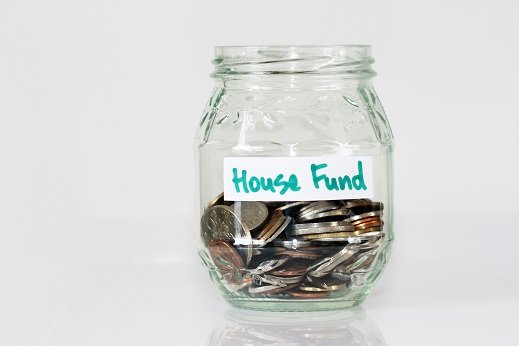
An emergency fund is a dedicated savings reserve earmarked specifically for unexpected expenses or financial crises. Its fundamental purpose is to provide a financial cushion that ensures individuals can manage unforeseen events without resorting to high-interest debt or compromising their long-term financial goals. The importance of an emergency fund cannot be overstated, as it serves as a vital component of a robust financial strategy.
Having an emergency fund enhances financial stability and safeguards one from sudden circumstances such as medical emergencies, job loss, car repairs, or any unanticipated bills. It acts as a barrier against the unpredictability of life, allowing people to navigate challenging situations with greater ease and less stress. For instance, if a major home repair arises unexpectedly, having an emergency fund can ensure that an individual does not have to divert funds from essential savings or rely on credit cards, which could lead to a cycle of debt.
Moreover, the psychological benefits of maintaining an emergency fund should not be underestimated. The presence of readily accessible savings provides peace of mind, instilling confidence and reducing anxiety associated with financial uncertainties. Individuals with an established fund can focus on their day-to-day responsibilities without the constant fear of being financially unprepared for unforeseen events.
In conclusion, building an emergency fund is an essential step toward achieving financial security. Its role in addressing various types of emergencies while offering emotional stability highlights the necessity of setting aside funds for life’s unpredictable nature. Establishing such savings is not just a financial decision; it is a proactive approach to personal resilience in the face of adversity.
Assessing Your Financial Situation
To effectively build an emergency fund, the first step is to evaluate your current financial situation. This assessment will serve as the foundation for how much you can realistically contribute towards your emergency savings each month. Begin by gathering relevant documents that outline your income, expenses, and any existing savings. This may include bank statements, pay stubs, and monthly bills.
Start with your income. Calculate your total monthly income, including your salary, bonuses, and any additional earnings from side jobs or freelance work. It is crucial to understand your net income, which is the amount you take home after taxes and deductions. This number will be essential in determining how much surplus money you have at your disposal.
Next, evaluate your expenses. Categorize your spending into fixed and variable expenses. Fixed expenses may consist of rent or mortgage payments, utility bills, insurance, and loan payments. Variable expenses, on the other hand, include groceries, entertainment, and discretionary spending. By tracking these expenses over a few months, you can gain valuable insights into your spending habits and identify areas where you can cut back.
Once you have a clear picture of your income and expenses, it is time to look at your existing savings. Determine how much you currently have saved and whether it can be considered part of your emergency fund. Typically, an emergency fund should cover three to six months’ worth of living expenses. If your current savings fall short of this ideal, that gap will inform your savings strategy moving forward.
Having gathered this information, compile it into a financial snapshot. This summary will help you see not only how much you can realistically save each month but also encourage disciplined savings behavior that aligns with your financial goals.
Tips for Building Your Emergency Fund Quickly
Establishing an emergency fund is a crucial financial safety net, and building it quickly can provide significant peace of mind. The first step is to set a specific savings goal. Determine how much you aim to save, keeping in mind that a typical emergency fund covers three to six months of living expenses. By setting a clear target, you can strategize your savings efforts effectively.
Next, consider automating your savings. Many banks allow for easy online transfers to a designated savings account. By scheduling regular transfers from your checking account on payday, you create a consistent savings habit. This method can help you accumulate funds without the temptation to spend them. It also allows your emergency fund to grow without requiring constant attention.
Another critical strategy is to review and cut unnecessary expenses. Analyze your monthly budget to identify areas where you can reduce spending. This might include dining out less often, canceling unused subscriptions, or reevaluating utility providers. The money saved here can be redirected into your emergency fund, effectively allowing you to save without significantly disrupting your lifestyle.
Additionally, exploring side hustles or alternative income sources can expedite your emergency fund’s growth. Consider freelancing, part-time work, or leveraging a hobby to make extra cash. This supplemental income can be directly funneled into your savings, accelerating your progress toward your financial goal.
Implementing these actionable strategies can significantly expedite the process of building your emergency fund. By setting a goal, automating your savings, cutting unnecessary expenses, and exploring additional income opportunities, you can enhance your financial security in a shorter time frame.
Maintaining and Adjusting Your Emergency Fund
Once an emergency fund has been successfully established, it is crucial to regularly maintain and adjust it to ensure its effectiveness in various unforeseen circumstances. The first step in this process is to reassess the fund periodically, ideally every six to twelve months. During this review, it is important to consider factors such as changes in income, expenses, and the overall economic landscape. For instance, if you have experienced a significant income increase or your monthly expenses have risen significantly, it may be time to adjust the target amount of your emergency fund accordingly.
Withdrawals from your emergency fund should be approached with caution. While it is designed to provide financial support during emergencies, it is vital to only withdraw funds when absolutely necessary. Once a withdrawal has been made, prioritize replenishing the fund to maintain financial security. As a general guideline, aim to restore the withdrawn amount as quickly as possible, ideally within the next few months, to ensure that you remain prepared for any unexpected events that may arise.
Another important aspect of maintaining your emergency fund is considering inflation and adjusting the total amount required to keep pace with rising costs. As the prices of goods and services can increase over time, it is wise to periodically evaluate whether your current emergency fund amount remains sufficient. Depending on your circumstances, you may need to increase contributions to your fund to account for inflation, ensuring that it remains a reliable buffer against financial instability.
Ultimately, fostering an adaptive mindset towards your emergency fund can significantly bolster your financial resilience. Regularly assessing and adjusting your fund not only protects against unforeseen challenges but also empowers you to navigate your financial journey more confidently.