

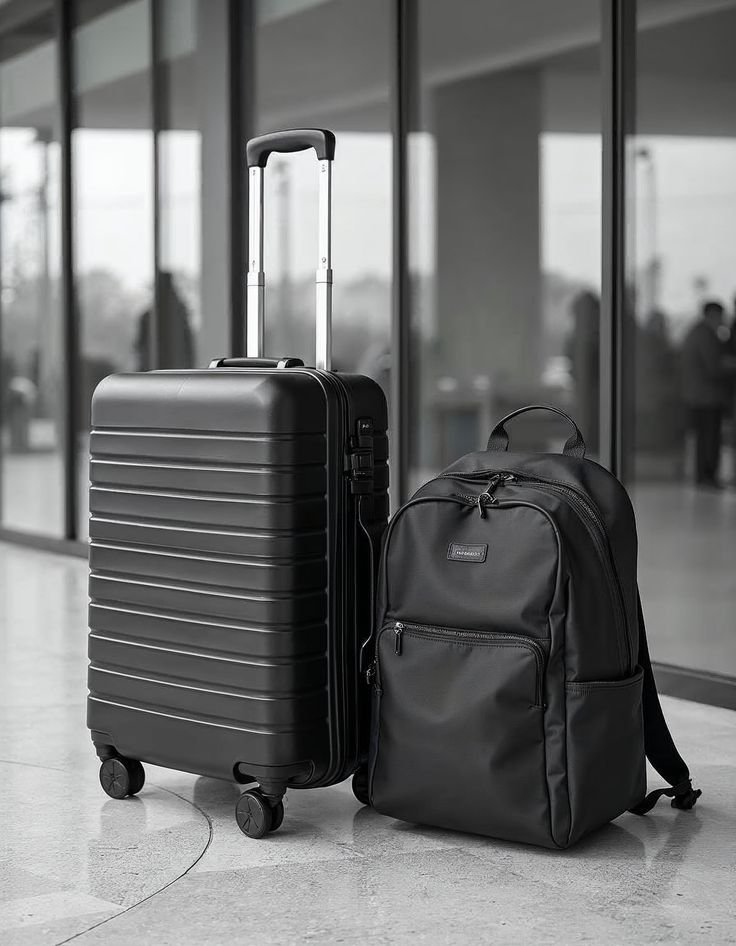
Traveling with carry-on luggage has become increasingly popular for a variety of compelling reasons. Primarily, it offers significant time savings at airports. Travelers can bypass long lines at the baggage check-in and baggage claim areas, allowing for a more efficient travel experience. The need to wait for checked luggage on arrival is eliminated, helping travelers to start their trip promptly. Another notable advantage is the potential for reduced costs. Many airlines charge fees for checked baggage, but by opting for carry-on only, travelers can avoid these additional expenses. This not only leads to financial savings but also encourages more mindful packing, as travelers must make thoughtful decisions about what to bring. Carrying less can have profound effects on a traveler’s budget, enabling further spending on experiences rather than luggage.
Furthermore, carry-on luggage promotes increased mobility. With fewer items to manage, travelers can navigate through airports, train stations, and other transportation hubs with greater ease. This mobility allows for a more flexible itinerary, enabling travelers to explore and change plans spontaneously without the burden of heavy bags.
In terms of organization, carry-on travel encourages travelers to pack strategically. It necessitates making choices about essential items, leading to a more organized approach to packing. Having personal belongings within reach provides peace of mind, allowing travelers to focus on their journey rather than worrying about the safety and whereabouts of their checked luggage.
In conclusion, opting for carry-on luggage offers considerable advantages, including time savings, cost efficiency, enhanced mobility, and improved organization, ultimately leading to a more enjoyable and stress-free travel experience.
Choosing the Right Carry-On Bag
When it comes to selecting the most appropriate carry-on luggage for your travels, understanding the options available is crucial. Carry-on bags can come in various forms, including hard-shell and soft-shell configurations, backpacks, and wheeled suitcases. Each type offers unique advantages that cater to differing travel preferences and styles.
Hard-shell bags often provide superior protection for fragile items and typically come with built-in locks, which enhance security. On the other hand, soft-shell bags tend to be lighter and more flexible, allowing for easier packing into tight spaces. Their exterior materials may also offer additional features such as water resistance.
Backpacks are an excellent alternative for those who prefer a hands-free experience while traveling. This option suits adventurous travelers who may navigate uneven terrain or prefer a more versatile method of carrying their belongings. Many modern backpacks feature compartments designed for organization, making it easier to access essentials during your journey.
Wheeled suitcases, a popular option for urban travel, enable a seamless way to transport your belongings without putting strain on your back. It is recommended to choose a suitcase with four wheels, allowing for 360-degree movement, which can be particularly beneficial in crowded airports.
When selecting your carry-on, paying attention to size limits established by airlines is crucial. Most carriers have restrictions around dimensions, often limited to 22 x 14 x 9 inches, but checking specific requirements is always advisable. Consider opting for durable materials like nylon or polycarbonate that offer strength without excessive weight. Additionally, look for user-friendly features such as multiple compartments, adjustable straps, and pockets for quick access to personal items.
Packing Efficiently for Carry-On Only Travel
Packing efficiently is crucial for maintaining a streamlined travel experience, especially when using strictly carry-on luggage. To maximize your space and minimize bulk, begin by planning your outfits around versatile clothing items that can be mixed and matched. Neutral colors and styles that can transition between casual and formal situations are particularly beneficial.
Using packing cubes is another effective strategy for organizing your belongings. These cubes allow you to compartmentalize your clothing, keeping items tidy and easy to access. Additionally, they help compress your clothes, making efficient use of every inch within your carry-on bag. Remember to position larger items at the bottom of the suitcase and smaller articles on top for optimal space utilization.
Furthermore, prioritize essential items, which should include travel documents, toiletries, and a change of clothes. Selecting travel-sized toiletries is vital; consider using solid versions of shampoo or other products to further save space and comply with travel security regulations. Aim to pack clothing that serves multiple purposes, such as a jacket that can function as a pillow or a sarong that doubles as a beach cover-up.
Here is a sample packing list for various types of trips:
- Weekend Getaway: 2-3 tops, 1 pair of pants, 1 dress, 1 light jacket, underwear, shoes, and toiletries.
- Business Trip: 2 dress shirts, 1 suit, 1 pair of dress shoes, 1 casual outfit, and essential tech gadgets.
- Tropical Vacation: 3 swimsuits, 3 cover-ups, 1 pair of sandals, sunblock, and lightweight clothing.
By using these strategic packing tips, travelers can enjoy the convenience and efficiency of carry-on only travel, allowing for a more relaxed journey without the hassle of checked baggage.
Navigating Airport Security and Policies
When traveling with only carry-on luggage, understanding airport security procedures is crucial for a smooth journey. First and foremost, it is essential to adhere to TSA liquid restrictions. This regulation stipulates that containers holding liquids must not exceed 3.4 ounces (100ml) and must be contained within a quart-sized, clear plastic bag. This requirement applies to all liquids, gels, and aerosols, which include beverages, creams, and certain medications. Maximizing your packing strategy by selecting solid alternatives can effectively minimize the number of liquid items, thus simplifying the security screening process.
Additionally, keeping items organized and easily accessible during the screening process significantly reduces wait times and enhances overall efficiency. It is advisable to pack electronic devices, such as laptops and tablets, in a separate compartment within your carry-on bag. This preparation allows for quick removal when approaching the security checkpoint, as these devices typically require individual screening. Moreover, placing your quart-sized bag of liquids at the top of your carry-on will expedite its retrieval during the scanning process.
It is also crucial to familiarize yourself with the specific policies of the airline you are flying with prior to your trip. Different carriers may have varying restrictions regarding carry-on dimensions, permitted items, and other relevant policies. Some airlines may allow a personal item in addition to the carry-on, while others may not. Careful consideration of these factors ensures compliance with regulations and can contribute to a more streamlined experience at the airport.
Furthermore, preparing for security checks by dressing appropriately can also minimize delays. Wearing shoes that can be easily removed, limiting the amount of metal in your outfit, and avoiding bulky clothing can expedite the screening process. By taking these proactive measures, travelers can navigate airport security more effectively while enjoying the benefits of traveling light with carry-on luggage.