

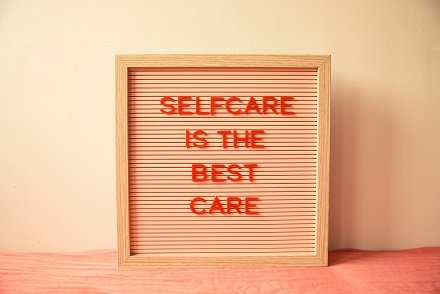
Self-care tips is often defined as the intentional and voluntary actions taken to improve one’s physical, mental, and emotional health. It encompasses a wide range of activities that individuals engage in to take care of themselves, from physical fitness and nutrition to relaxation and mindfulness practices. Understanding self-care is crucial, especially in today’s fast-paced world, where mental health issues are on the rise. Research has shown a strong correlation between self-care practices and mental wellness. According to the American Psychological Association, engaging in regular self-care can effectively reduce stress, alleviate symptoms of anxiety and depression, and enhance overall emotional resilience. For instance, a study published in the Journal of Health Psychology found that those who regularly engage in self-care activities report lower levels of stress and improved life satisfaction compared to those who neglect this vital aspect of their well-being.
Experts in the field of psychology emphasize the importance of making self-care a priority. Dr. Emma Seppälä, a leading researcher on well-being and faculty member at Stanford University, argues that self-care isn’t a luxury; it’s a necessity. She states, “When we prioritize our mental and emotional health through self-care, we become more resilient and better equipped to handle life’s challenges.” This philosophy captures the essence of self-care as an essential component for maintaining mental health.
Incorporating self-care into daily routines doesn’t have to be time-consuming or costly. Simple practices such as taking a walk, meditating, or even reading a book can significantly contribute to mental wellness. Recognizing the importance of self-care allows individuals to implement practical strategies that foster a healthier mindset and improve overall quality of life.
10 Simple Self-Care Ideas to Incorporate into Your Daily Routine
Incorporating self-care into your daily routine can profoundly enhance your mental health and overall well-being. Here are ten practical self-care ideas that can seamlessly fit into your life.
1. Morning Mindfulness: Start your day with a brief mindfulness practice, such as meditation or deep breathing exercises. Engaging in this quiet time can help center your thoughts and reduce anxiety.
2. Daily Journaling: Spend a few minutes each day writing in a journal. This can be an outlet for your thoughts and feelings, allowing for reflection and emotional clarity.
3. Physical Exercise: Engaging in regular physical activity, such as walking, yoga, or cycling, is not only beneficial for the body but also significantly boosts mood and reduces stress.
4. Creative Hobbies: Dedicate time to activities that inspire you, such as painting, crafting, or playing a musical instrument. These creative outlets can significantly enhance your emotional well-being.
5. Nature Walks: Spending time outdoors can improve mental health. Consider scheduling a brief nature walk daily to appreciate the environment and rejuvenate your spirits.
6. Healthy Nutritional Choices: Nourishing your body with healthy foods can lead to better mood regulation. Incorporate more fruits and vegetables into your meals to promote well-being.
7. Digital Detox: Limit screen time, especially on social media, to alleviate stress and negative comparisons. Set aside specific hours in your day for a digital detox.
8. Connection with Others: Foster connections by reaching out to friends or family. Engaging in meaningful conversations can uplift your spirits and combat feelings of loneliness.
9. Relaxation Techniques: Incorporate relaxation techniques, such as progressive muscle relaxation or guided imagery, into your routine to manage stress effectively.
10. Quality Sleep: Prioritize getting adequate sleep by setting a consistent bedtime. Quality sleep is essential for mental clarity and emotional resilience.
The Benefits of Mindfulness and Meditation for Mental Health
Mindfulness and meditation have gained significant recognition as effective self-care practices that can greatly enhance mental health. Mindfulness involves being fully present in the moment, while meditation typically encompasses techniques aimed at achieving a mentally clear and emotionally calm state. These practices encourage individuals to focus on their thoughts, feelings, and sensory experiences without judgment, promoting a deeper awareness of oneself and the surrounding environment.
The science supporting the benefits of mindfulness and meditation is robust. Numerous studies have indicated that these practices can lead to a reduction in symptoms associated with anxiety and depression. Specific techniques, such as mindful breathing and body scans, help to decrease stress levels and improve emotional regulation. By fostering a non-reactive mindset, individuals who practice mindfulness can develop resilience against intrusive thoughts and difficult emotions.
To incorporate mindfulness and meditation into daily life, individuals can begin with short, structured sessions. For beginners, starting with just five to ten minutes of daily practice may be effective. One can find a quiet space, sit comfortably, and focus on the breath. When thoughts arise, acknowledging them without judgment and gently redirecting attention back to the breath can cultivate focus and awareness. There are also numerous guided meditation resources available online, which can assist newcomers in establishing a consistent practice.
Moreover, it is important to remember that mindfulness is not limited to formal practice; it can be interwoven into everyday activities. This may involve paying closer attention to the act of eating, walking, or even showering. By engaging fully with these simple tasks, individuals can enhance their overall sense of well-being and promote a healthier mental state. In summary, mindfulness and meditation serve as powerful tools in the realm of self-care, offering substantial benefits for mental health and emotional resilience.
Creating Your Personal Self-Care Plan
Establishing a personalized self-care plan is an essential step towards enhancing your mental health. This plan should reflect your unique needs and preferences, recognizing that self-care is not a one-size-fits-all solution. To initiate this process, it is crucial to begin with a self-assessment. Take some time to reflect on your current mental health, values, and lifestyle. Consider what areas you feel may require more attention, whether it’s emotional well-being, physical health, or social connections.
Next, set clear, realistic self-care goals. Aim for goals that are specific and achievable, which can help maintain your motivation over time. For example, instead of a vague goal like “be healthier,” consider setting a goal such as “exercise for 30 minutes three times a week.” Goals should align with your personal values and encourage you to engage in activities that you find enjoyable and fulfilling.
Incorporating self-care practices into your daily routine is equally important. Begin by identifying activities that resonate with you, ranging from reading and meditation to engaging in hobbies and spending time with loved ones. Schedule these practices into your week to make them a priority. Additionally, consider using resources such as mobile apps or journals to track your self-care habits, which can provide valuable insights into what works best for you and what may need adjustment.
Finally, remember that your self-care plan is a living document; it can and should evolve over time as your circumstances and needs change. Having a strategy in place, tailored to your individual lifestyle and mental health requirements, enhances the effectiveness of your self-care journey and ultimately contributes to improved mental well-being.