

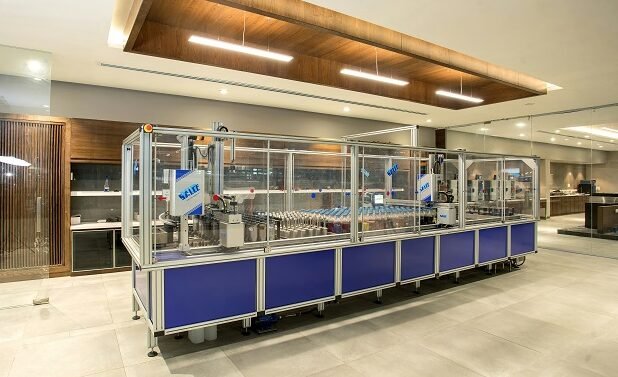
Robotics in modern manufacturing represents a pivotal evolution in the industry that has transformed traditional practices significantly. Historically, manufacturing relied heavily on manual labor, which often resulted in inconsistent product quality, inefficiencies, and higher operational costs. The introduction of robotics marked a turning point, facilitating a shift from labor-intensive methods to automated systems that enhance productivity and precision. The journey of robotics in manufacturing began in the mid-20th century, with early innovations such as the Unimate robot introduced in 1961 which was utilized for tasks such as assembly and material handling. Since then, the field of robotics has seen remarkable advancements, driven by technological innovations in artificial intelligence, machine learning, and sensor technologies. Today, robots are employed in various capacities, from assembly lines to packaging and quality control, significantly streamlining processes across different sectors.
The importance of robotics in manufacturing cannot be overstated. By automating repetitive and hazardous tasks, companies can minimize human error, improve safety, and allocate human resources to more strategic roles. Furthermore, robotics contribute to reductions in production costs by optimizing throughput and decreasing material waste. The ability to produce high-quality products consistently has made robots invaluable for modern manufacturers, enabling them to meet the growing demand for precision-engineered goods. Overall, the integration of robotics signifies a crucial shift towards smarter, more efficient manufacturing processes essential for maintaining competitiveness in an increasingly globalized market.
Types of Robots Used in Manufacturing
In the landscape of modern manufacturing, various types of robots play a crucial role in enhancing efficiency, accuracy, and productivity. Each type is specifically designed to address different manufacturing needs, ranging from assembly lines to packaging processes.
Industrial robots are perhaps the most recognized form of automation in manufacturing. These robots are typically large, stationary machines programmed to carry out repetitive tasks with high precision. Commonly utilized in assembly, welding, and painting applications, industrial robots have significantly reduced production time and improved overall product quality. Their ability to operate continuously without fatigue makes them indispensable to high-volume manufacturing processes.
Collaborative robots, or cobots, represent a shift in how humans and machines work together in manufacturing environments. Unlike traditional industrial robots, which typically operate independently of human intervention, cobots are designed to work alongside human workers. They use advanced sensors and safety features to ensure safe interaction, allowing for enhanced productivity in tasks such as assembly and quality inspection. This collaborative approach enables manufacturers to optimize their workflows while maintaining a human touch in complex or delicate tasks.
Another emerging category in manufacturing is mobile robots, which are becoming increasingly important in various processes, including logistics and material handling. These robots can autonomously navigate through the manufacturing floor to transport materials between different stations, contributing to a significant reduction in labor costs and minimizing human error. Whether it is a robot performing inventory checks or one moving finished products to the shipping area, mobile robots are transforming the traditional methods of material transportation.
Overall, the integration of industrial robots, collaborative robots, and mobile robots is revolutionizing manufacturing. They are not only enhancing efficiency but also paving the way for more innovative manufacturing practices.
Benefits of Implementing Robotics in Manufacturing
The integration of robotics in manufacturing has become increasingly prevalent and is accompanied by a multitude of benefits that significantly enhance operational efficiency. One of the primary advantages is the increased productivity that robotics brings to the manufacturing process. Automated systems can operate continuously without the need for breaks, thereby facilitating higher output levels and reducing cycle times. This results in a substantial boost in production capacity, allowing manufacturers to meet rising demand effectively.
Moreover, robotics contributes significantly to improved safety within manufacturing environments. Industrial robots can perform tasks that are hazardous to human workers, such as handling heavy materials or working in extreme temperatures. By automating these processes, companies can minimize workplace injuries, thereby fostering a safer environment for employees and reducing costs associated with accidents.
Enhanced precision is yet another critical advantage offered by robotics. Robotic systems are capable of executing tasks with a high degree of accuracy, which is essential in industries that require meticulous attention to detail. This precision not only enhances the quality of the products but also decreases the likelihood of defects, resulting in lower rework and scrap rates.
The financial implications of robotics in manufacturing are notable as well. By reducing labor costs through automation, companies can allocate resources more efficiently, thus optimizing their overall operational budget. This cost-effectiveness allows businesses to maintain competitive pricing and adapt swiftly to changes in the marketplace.
In conclusion, implementing robotics in manufacturing provides numerous advantages, including increased productivity, improved safety, enhanced precision, and reduced labor costs. As businesses strive to remain competitive in a rapidly evolving market, the role of robotics will continue to be pivotal in shaping efficient manufacturing practices.
Challenges and Future of Robotics in Manufacturing
The integration of robotics into modern manufacturing has significantly transformed industry practices, yet it presents various challenges that need addressing. One of the primary obstacles is the high initial cost of robotic systems. Implementing automation requires substantial capital investment, which can deter smaller manufacturers from adopting these technologies. The expense is not solely limited to purchasing robots; it also encompasses necessary infrastructure upgrades and ongoing maintenance costs, which can strain financial resources.
Another significant challenge is the demand for skilled labor. While robotics can enhance efficiency and productivity, the operation and maintenance of these advanced systems require a workforce adept in robotics and related technologies. As such, manufacturers face the dual challenge of training existing employees and recruiting new talent capable of fulfilling these roles. This gap in skills may slow down the adoption of robotics until adequate training programs and educational initiatives are established.
Furthermore, the potential for job displacement poses a social challenge. As industries advance toward automation, concerns arise regarding the future of jobs traditionally held by humans. This raises ethical considerations about the workforce’s role in an increasingly automated landscape and prompts discussions about reskilling opportunities for those affected.
Looking ahead, the future of robotics in manufacturing appears promising, driven by advancements in artificial intelligence (AI) and machine learning. These technologies are enhancing robotic capabilities, enabling more flexible and adaptive systems that can respond to dynamic manufacturing environments. Additionally, the emergence of smart factories, where interconnected devices and robotics collaborate seamlessly, heralds a new era of manufacturing efficiency and customization. As these innovations develop, they have the potential to streamline operations significantly while mitigating earlier-addressed challenges.